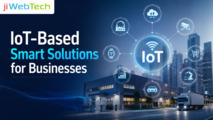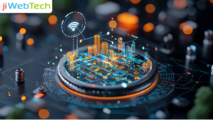
The modern business landscape is rapidly evolving, driven by data, connectivity, and automation. Among the transformative forces reshaping industries, the Internet of Things (IoT) stands out as a game-changer. Imagine a world where machines communicate with each other, sensors monitor real-time operations, and data-driven insights guide every business decision. This is no longer a futuristic vision, it is today’s reality.
The global IoT market is projected to reach USD 865.20 billion by 2030, reflecting the growing reliance of businesses on connected devices and smart systems. Companies adopting IoT solutions are not only improving operational efficiency but also gaining a competitive edge in a data-driven world. In this blog, we will explore how IoT is transforming modern business operations, why companies need to embrace it, and how to integrate IoT based smart solutions effectively.
Key Takeaways
- IoT boosts efficiency through real-time monitoring, automation, and predictive maintenance.
- It reduces costs by optimizing energy, resources, and processes for better ROI.
- IoT enhances customer experience with personalized, proactive, and seamless services.
- It supports data-driven decisions by providing insights for smarter, faster decision-making.
- IoT drives growth and innovation, enabling new business models, sustainability, and market differentiation.
Introducing IoT for industry
The Internet of Things (IoT) refers to a network of interconnected devices capable of collecting, sharing, and acting upon data without requiring direct human intervention. In a business context, IoT connects machinery, inventory systems, vehicles, and even employee devices to create a seamless ecosystem that optimizes operations.
Industrial IoT (IIoT)
Industrial sectors, from manufacturing to logistics, are witnessing massive transformations due to Industrial IoT (IIoT). By embedding sensors into machinery, businesses can:
- Predict equipment failures before they occur, reducing downtime
- Monitor energy usage for cost optimization
- Track production lines to enhance efficiency
- Collect valuable data for strategic planning
For example, manufacturing plants equipped with IoT sensors can automatically adjust machinery settings based on real-time production data, ensuring quality control while minimizing waste.
Why Businesses Need IoT Solutions
IoT solutions offer a transformative approach, connecting devices, systems, and processes to provide real-time data and actionable insights. Here is why businesses are increasingly adopting IoT:
1. Operational Efficiency and Automation:
One of the most immediate benefits of IoT is streamlining operations. By connecting machines, sensors, and workflows, IoT enables businesses to monitor every aspect of their processes in real time. This connectivity allows for:
- Automated decision-making: Devices can automatically adjust operations based on real-time data. For example, a smart manufacturing line can detect a machine running outside normal parameters and automatically adjust settings or halt production to prevent defects.
- Reduced manual intervention: Routine monitoring tasks are automated, freeing up human resources for more strategic activities.
- Minimized downtime: Predictive maintenance powered by IoT ensures machinery is serviced before failures occur, reducing costly production interruptions.
2. Cost Optimization:
IoT solutions help businesses reduce operational costs significantly. By providing detailed insights into energy usage, resource allocation, and equipment performance, IoT enables companies to:
- Lower energy consumption: Smart energy management systems optimize heating, cooling, and lighting in real time, cutting unnecessary expenses.
- Optimize inventory management: Sensors can track stock levels, monitor expiration dates, and automate restocking, reducing waste and overstocking.
- Reduce maintenance costs: Predictive analytics prevent emergency repairs, extending the lifespan of equipment.
3. Enhanced Customer Experience:
A business’s success increasingly depends on its ability to meet customer expectations efficiently and personally. IoT provides tools to create a more personalized and responsive customer journey:
- Real-time updates: Delivery tracking, order status notifications, and smart product features improve transparency and trust.
- Tailored services: Retailers can use IoT data to recommend products, provide dynamic pricing, or optimize in-store experiences based on customer behavior.
- Proactive support: IoT-enabled devices, like connected appliances, can alert businesses about issues before customers even notice them, enabling rapid resolution.
4. Data-Driven Decision Making:
IoT generates vast amounts of data that provide insights into every aspect of business operations. This data is invaluable for strategic planning and decision-making:
- Identifying patterns and trends: IoT analytics can reveal customer preferences, production inefficiencies, and operational bottlenecks.
- Forecasting demand: Businesses can anticipate market trends and adjust inventory, staffing, and production accordingly.
- Risk management: Real-time monitoring helps detect anomalies, compliance violations, or safety hazards, reducing potential risks.
5. Competitive Advantage and Innovation:
Incorporating IoT is not just about keeping up—it’s about gaining a strategic edge:
- Innovation through connectivity: IoT enables businesses to explore new business models, like subscription-based services, remote monitoring, and predictive maintenance offerings.
- Faster response to market changes: Real-time insights allow companies to quickly adapt to demand shifts, supply chain disruptions, or competitive pressures.
- Sustainability initiatives: IoT helps monitor energy usage, waste, and emissions, supporting eco-friendly practices that appeal to environmentally conscious consumers.
Cost to Integrate IoT Solutions
While the Internet of Things (IoT) offers transformative benefits for modern businesses, integrating IoT solutions requires careful planning and investment. The costs associated with IoT adoption vary depending on factors such as business size, industry, scope of integration, and the complexity of devices and platforms used. Understanding these costs helps businesses plan for a smooth and cost-effective IoT implementation.
1. Hardware Investment:
The foundation of any IoT ecosystem is hardware, which includes sensors, devices, gateways, and edge computing units.
- Sensors and smart devices: These capture data from machinery, vehicles, or the environment. Costs can vary based on precision, durability, and functionality. For example, temperature and humidity sensors for a warehouse may cost less than industrial-grade vibration sensors for heavy machinery.
- Gateways and controllers: These devices transmit collected data from sensors to IoT platforms for analysis. The complexity and number of gateways directly impact costs.
Edge computing devices: In industries like manufacturing, processing data at the edge reduces latency and bandwidth costs but adds hardware expenses.
2. Software and IoT Platforms:
Hardware alone cannot deliver value. Businesses need robust IoT software platforms to manage devices, analyze data, and generate actionable insights.
- IoT platforms: These centralize data from multiple devices and provide dashboards for monitoring and analytics. Subscription costs can be monthly or annual.
- Analytics and AI tools: Businesses may require advanced analytics, predictive maintenance algorithms, or AI-powered decision-making tools to fully leverage IoT data.
- Integration with existing systems: ERP, CRM, and other enterprise software must be integrated with IoT platforms, which can involve additional development costs.
- Example: Subscription-based IoT platforms like AWS IoT or Microsoft Azure IoT can cost anywhere from a few hundred to several thousand dollars per month, depending on the number of devices and data volume.
3. Connectivity Costs:
IoT devices rely on network connectivity to transmit data in real time. Connectivity costs vary depending on technology and coverage requirements:
- Wi-Fi and LAN: Suitable for indoor, localized operations.
- Cellular (3G/4G/5G): Ideal for remote or mobile assets like delivery vehicles, but may involve ongoing data costs.
- LPWAN (Low-Power Wide-Area Network): Used in logistics, agriculture, or smart cities for energy-efficient, long-range communication.
Connectivity can account for 10–20% of IoT integration costs, especially for businesses with thousands of remote devices transmitting data continuously.
4. Installation and Deployment:
Integrating IoT solutions involves installation and configuration, which can include:
- Mounting sensors and connecting devices to the network
- Setting up gateways and edge devices
- Configuring software dashboards and alerts
- Integrating IoT data with existing enterprise systems
Deployment costs are often underestimated but are critical for ensuring smooth operation and minimal downtime during the transition.
5. Maintenance, Support, and Security
IoT integration is not a one-time expense; ongoing maintenance and security are essential:
- Device maintenance: Sensors, gateways, and other devices may require regular calibration, updates, or replacement.
- Software updates and platform support: Ensures systems run efficiently and adapt to changing business needs.
- Data security measures: More connected devices mean a higher risk of cyber threats. Businesses must invest in encryption, secure authentication, and monitoring tools.
- Example: Large enterprises may spend 15–25% of their initial IoT investment annually on maintenance, support, and security updates.
Additional Areas Where IoT Drives Business Growth
Beyond improving operational efficiency and reducing costs, IoT is a catalyst for business growth, enabling companies to innovate, enter new markets, and create value for customers. By connecting devices, systems, and processes, IoT helps organizations unlock opportunities that were previously inaccessible. Here’s a closer look at the key areas where IoT drives growth:
1. Smart Supply Chain Management:
The supply chain is one of the most significant areas where IoT has a transformative impact. By deploying sensors, GPS trackers, and RFID tags, businesses gain real-time visibility across the entire supply chain:
- Inventory management: IoT devices track stock levels automatically, monitor expiration dates for perishable goods, and trigger alerts when items need replenishment.
- Fleet tracking and route optimization: GPS-enabled sensors provide real-time data on vehicles, allowing logistics companies to optimize delivery routes, reduce fuel consumption, and improve punctuality.
- Temperature and condition monitoring: For industries like pharmaceuticals, food, and chemicals, IoT sensors monitor temperature, humidity, and vibration to ensure products maintain quality during storage and transportation.
- Example: A global eCommerce company uses IoT-enabled warehouses to track inventory in real time, reducing stockouts by 30% and improving order fulfillment speed by 25%.
2. Workforce Management:
IoT solutions play a crucial role in enhancing workforce productivity, safety, and engagement:
- Employee safety monitoring: Wearable IoT devices can detect hazardous conditions in manufacturing, construction, and mining sites, sending alerts to prevent accidents.
- Productivity tracking: Sensors in equipment and workstations provide insights into employee efficiency, helping managers identify bottlenecks and optimize workflows.
- Remote collaboration: IoT-enabled devices support remote operations, enabling employees to monitor systems and machinery from anywhere in real time.
- Example: A construction company implements IoT wearables that monitor workers’ vitals and exposure to heat, improving workplace safety and reducing insurance claims.
3. Smart Buildings and Energy Management:
IoT transforms commercial spaces into intelligent, energy-efficient environments:
- Automated climate control: IoT-enabled HVAC systems adjust heating and cooling based on occupancy and weather patterns, reducing energy consumption.
- Lighting optimization: Smart lighting systems dim or turn off lights in unoccupied areas, saving electricity.
- Security and access management: IoT-powered cameras, motion sensors, and smart locks enhance building security while reducing manual monitoring costs.
- Real-World Impact: Businesses can reduce operational expenses by 20–30% annually through smart energy management, while creating a more comfortable and productive workspace for employees.
4. Predictive Maintenance Across Industries:
IoT’s predictive analytics capabilities are revolutionizing maintenance strategies:
- Prevent equipment failures: Sensors continuously monitor machinery for signs of wear and tear, predicting potential breakdowns before they occur.
- Reduce downtime: By scheduling maintenance proactively, businesses avoid costly operational interruptions.
- Extend asset lifespan: Continuous monitoring and timely maintenance extend the life of critical equipment, reducing capital expenditure on replacements.
- Example: A manufacturing plant implementing IoT sensors on assembly lines reduced unplanned downtime by 40% and maintenance costs by 25%.
5. Enhanced Customer Engagement:
IoT enables companies to offer hyper-personalized experiences, improving customer satisfaction and loyalty:
- Smart products: Connected devices, like home appliances and wearable gadgets, provide usage data that allows businesses to offer tailored recommendations, updates, or services.
- Proactive customer support: IoT devices can alert businesses to potential issues, enabling support teams to intervene before customers experience problems.
- Omnichannel engagement: Retailers can combine IoT data with eCommerce platforms to deliver personalized promotions and experiences across online and offline channels.
Challenges and Considerations in IoT Adoption
While IoT presents immense opportunities, businesses must address challenges to fully harness its potential:
1. Data Security and Privacy
More connected devices mean more data points vulnerable to breaches. Robust security measures are crucial.
2. Interoperability
Devices from different manufacturers must communicate seamlessly; standardization is essential.
3. Skilled Workforce
Employees need training to manage, analyze, and act on IoT-generated data.
4. Scalability
Businesses should plan IoT integration with growth in mind to avoid costly reconfigurations.
Conclusion
The integration of IoT into business operations is no longer optional, it is a strategic imperative. From predictive analytics to enhanced customer experiences, IoT empowers businesses to operate smarter, faster, and more efficiently.
At jiWeb Technologies, we help businesses navigate the complex IoT ecosystem, offering end-to-end solutions that optimize operations, improve decision-making, and drive growth. By embracing IoT today, businesses can prepare for a connected, data-driven tomorrow.
Frequently Asked Questions
1. What is IoT in business?
• IoT connects devices, machines, and systems to collect and share data.
• Enables automation, efficiency, and data-driven decision-making.
• Used across industries like manufacturing, retail, and logistics.
2. How does IoT improve operational efficiency?
• Real-time monitoring of processes and equipment
• Automated alerts for maintenance or anomalies
• Data analytics for optimizing resource usage
3. What industries benefit the most from IoT?
• Manufacturing and industrial sectors (IIoT)
• Retail and eCommerce
• Logistics and transportation
• Healthcare and smart buildings
4. Is IoT integration expensive?
• Costs depend on hardware, software, connectivity, and maintenance
• ROI often justifies initial investment through savings and efficiency gains
5. How does IoT enhance customer experience?
• Personalized services through data insights
• Predictive alerts and notifications
• Faster response times and seamless interactions
6. What are the main challenges of IoT adoption?
• Security and privacy of data
• Device interoperability
• Skilled workforce requirements
• Scalability for future growth