The workplace is undergoing a dramatic transformation. Traditional offices, once hubs of paper-based processes and manual operations, are evolving into intelligent, connected environments powered by technology. This evolution is driven by the demand for enhanced productivity, improved employee experience, and optimized operational efficiency. Welcome to the era of smart offices.
A smart office leverages technology to automate tasks, enhance collaboration, improve security, and optimize resources. By integrating Internet of Things (IoT) devices, cloud computing, artificial intelligence (AI), and data analytics, businesses can create a workplace that is not only more efficient but also more adaptive to the needs of employees.
Why Smart Office Solutions Matter
Modern offices face a host of challenges:
- High operational costs: Utility bills, maintenance, and manual processes drain resources.
- Employee productivity: Inefficient workflows and outdated systems reduce employee engagement and output.
- Security concerns: Traditional security systems may not provide real-time monitoring or remote control.
- Environmental impact: Offices consume significant energy, and businesses are increasingly accountable for sustainability.
Smart office solutions address these challenges by creating environments that are connected, automated, and data-driven. Here are some key benefits:
1. Increased Productivity
Smart offices utilize technology to reduce repetitive tasks, streamline workflows, and enable employees to focus on high-value work. Features like automated meeting room bookings, smart lighting, and AI-driven task management save time and enhance productivity.
2. Cost Efficiency
Energy-efficient systems, automated resource management, and predictive maintenance help reduce operational costs. For instance, smart HVAC (heating, ventilation, and air conditioning) systems adjust temperature based on occupancy, preventing unnecessary energy consumption.
3. Enhanced Employee Experience
A smart office adapts to employees’ needs, creating a more comfortable and engaging workspace. Adjustable lighting, climate control, and intuitive workspace allocation systems contribute to employee satisfaction and retention.
4. Improved Security
Modern security solutions integrate IoT-enabled cameras, biometric access control, and cloud-based monitoring. This allows businesses to track access in real-time, prevent unauthorized entry, and maintain comprehensive security logs.
5. Sustainability
Smart offices reduce environmental impact by optimizing energy usage, minimizing waste, and promoting eco-friendly practices. Businesses can monitor resource consumption, track carbon footprint, and implement greener policies.
Key Technologies Driving Smart Offices
The rise of smart office solutions is fueled by several cutting-edge technologies. Let’s explore the most impactful ones:
1. Internet of Things (IoT)
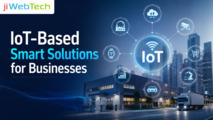
IoT devices - like smart sensors, connected lighting, and climate control systems - collect real-time data and enable automation. For example, motion sensors can adjust lighting and air conditioning based on room occupancy.
How IoT Enhances Smart Offices:
Automated Lighting & Climate Control:
Sensors detect movement and adjust lights and air conditioning automatically to save energy and maintain comfort.
Space Management:
Occupancy sensors track how desks, meeting rooms, and common areas are used. Managers can analyze usage patterns to optimize office design and avoid wasted space.
Predictive Maintenance:
IoT-enabled devices can detect issues (like overheating printers or low ink levels) and notify technicians before a breakdown occurs.
Smart Inventory Tracking:
Supplies such as toner, cleaning materials, or pantry stock can be monitored in real time, ensuring they never run out.
2. Artificial Intelligence (AI)
AI enhances decision-making and automation. AI-powered systems can predict equipment failures, analyze employee attendance patterns, and suggest operational improvements.
How AI Improves the Workplace
AI-Powered Scheduling:
Smart calendars automatically assign the best meeting rooms, avoid conflicts, and suggest optimal meeting times based on everyone’s availability.
Intelligent Assistants:
Tools like ChatGPT, Alexa for Business, and AI chatbots help employees with tasks, answer HR queries, and manage workflows.
Predictive Insights:
AI analyzes patterns in attendance, energy usage, and employee performance to help businesses make data-driven decisions.
Automated Customer Support:
Smart chatbots handle customer inquiries 24/7, reducing workload on staff.
Enhanced Employee Experience:
AI personalizes lighting, temperature, and workspace settings based on employee preferences.
3. Cloud Computing
Cloud platforms allow remote management of office systems and data storage. Cloud integration ensures seamless collaboration across locations and devices, supporting a distributed workforce.
Why Cloud Computing Is Essential
- Anytime, Anywhere Access: Employees can work from any location while accessing files, tools, and applications securely.
- Real-Time Collaboration: Platforms like Google Workspace and Microsoft 365 enable teams to work on documents together instantly.
- Cost Savings: Companies avoid maintaining expensive servers and IT infrastructure.
- Scalability: Cloud systems can quickly expand as the organization grows, supporting more users, devices, and data.
- Integration with Smart Office Tools: Apps like attendance systems, payroll software, and IoT dashboards run smoothly on the cloud, ensuring seamless automation.
4. Mobile Apps
Smart office apps enable employees to control various office features from their smartphones, such as booking meeting rooms, adjusting workspace settings, or logging attendance.
How Mobile Apps Support Smart Offices
- Attendance Management: Employees can clock in/out using mobile apps like XS App - with geo-location, QR scanning, or Wi-Fi verification.
- Task & Workflow Management: Apps allow employees to receive tasks, submit reports, share files, and track progress.
- Employee Self-Service: Staff can apply for leave, download payslips, and update personal details from their phones.
- Remote Work Enablement: Hybrid or remote teams use apps for meetings, communication, project tracking, and collaboration.
- Security & Access: Smartphones can serve as digital ID cards, granting access to specific zones within the office.
5. Biometric and Security Systems
Modern offices employ fingerprint scanners, facial recognition, and other biometric solutions for secure access control. These systems improve security while simplifying employee identification and attendance tracking.
Types of Biometric & Security Solutions
- Facial Recognition & Fingerprint Scanners: Used for secure access to workplaces, server rooms, and restricted areas.
- Mobile-Based Access Control: Employees can enter using QR codes or NFC-enabled credentials on their phones.
- Surveillance Cameras with AI: Modern cameras detect suspicious movement, track unusual activity, and send alerts automatically.
- Smart Alarms & Sensors: Motion detectors, smoke sensors, and door sensors enhance office safety.
6. Smart Workstations
Adjustable desks, ergonomically optimized furniture, and connected devices enhance comfort and productivity. Some smart workstations can even monitor posture and suggest adjustments.
Features of Smart Workstations
- Height-Adjustable Desks: Employees can switch between sitting and standing modes using electric or sensor-based controls.
- Intelligent Desks with Memory Settings: Desks automatically adjust to the employee’s preferred position when they check in.
- Smart Chairs: These track posture, provide lumbar support adjustments, and send reminders for movement.
- Integrated Charging Points & Connectivity: Workstations include wireless chargers, USB hubs, and cable management systems.
- Workspace Personalization: Lighting, temperature, and screen brightness adjust automatically based on user preferences.
How Businesses Can Upgrade to Smart Offices
Transforming a traditional office into a smart office involves a strategic approach. Here are key steps:
- Assess Current Infrastructure: Evaluate your existing office setup, including IT systems, security infrastructure, and facility management. Identify areas that would benefit most from automation or smart solutions.
- Define Objectives: Decide what you want to achieve with smart office solutions—whether it’s cost savings, improved employee productivity, better security, or sustainability.
- Choose the Right Technologies: Based on your objectives, select technologies that align with your business needs. For example, IoT sensors for energy management, AI for predictive analytics, or cloud platforms for remote collaboration.
- Integrate Systems: Ensure that new technologies integrate seamlessly with existing systems. Integration is critical to avoid siloed data and maximize the benefits of automation.
- Train Employees: Introduce employees to smart office tools and provide training. Adoption is crucial for realizing the full potential of these solutions.
- Monitor and Optimize: Once implemented, continuously monitor system performance and employee feedback. Use data analytics to optimize operations and make iterative improvements.
Popular Smart Office Solutions
Here are some of the most impactful smart office solutions in today’s market:
1. Smart Lighting and Climate Control
Automated lighting and HVAC systems save energy while providing a comfortable environment. Motion sensors, daylight sensors, and AI algorithms optimize resource usage without manual intervention.
2. Intelligent Workspace Management
Smart office platforms can manage desk allocation, conference room bookings, and collaborative spaces. Employees can find available workspaces via mobile apps, reducing time wasted searching for desks or rooms.
3. Digital Collaboration Tools
Integrated video conferencing, cloud storage, and team collaboration platforms enable seamless communication between remote and on-site teams.
4. Security and Access Control
Smart security systems include biometric authentication, CCTV monitoring, and smart locks. These systems provide real-time alerts and detailed logs for enhanced safety.
5. Smart Attendance Management
Digital attendance solutions replace traditional punch cards or manual logs. These systems track employee presence accurately, provide analytics, and integrate with payroll and HR systems.
6. Environmental Monitoring
Air quality sensors, water usage monitors, and energy consumption trackers help offices maintain healthy, eco-friendly environments.
Spotlight on jiWebTech's Smart Office Solutions
Among the emerging players in smart office technology, jiWebTech stands out for its innovative, user-friendly, and secure solutions. jiWebTech’s offerings are designed to simplify office management while enhancing efficiency, security, and employee experience.
jiSECURE XS App – Attendance Management Solution
One of jiSECURE’s flagship solutions is the XS App, a next-generation attendance management system. Unlike traditional attendance methods, the XS App leverages smart technology to deliver:
- Accurate Attendance Tracking: The XS App ensures precise tracking of employee attendance using biometric, RFID, or app-based check-ins. It eliminates errors associated with manual logs and outdated punch cards.
- Real-Time Monitoring: Managers can view attendance in real-time, track late arrivals, early departures, and absenteeism. Notifications can be automated to inform supervisors of irregularities instantly.
- Seamless Integration: The XS App integrates effortlessly with payroll, HR, and other enterprise systems. This ensures smooth operations and reduces administrative workload.
- Mobile Accessibility: Employees can mark attendance, request leaves, and view records directly from their mobile devices. This is particularly useful for organizations with remote or hybrid work models.
- Data-Driven Insights: The system provides detailed analytics on employee attendance patterns, helping managers make informed decisions, improve workforce productivity, and plan resource allocation effectively.
- Enhanced Security: By combining biometric authentication with encrypted data storage, the XS App ensures secure, tamper-proof attendance records.
Why Businesses Choose jiWebTech
In today’s fast-paced digital world, selecting the right technology partner can make all the difference. jiWebTech stands out as a trusted provider of innovative smart office and enterprise solutions, delivering efficiency, security, and seamless digital transformation. Here’s why businesses choose jiWebTech:
1. Innovative Solutions: jiWebTech leverages cutting-edge technologies such as IoT, AI, cloud computing, and mobile integration to create smart, connected workplaces. Our solutions are designed to streamline operations, boost productivity, and enhance the employee experience.
2. User-Friendly Systems: We focus on simplicity and usability. Our platforms and applications are intuitive, ensuring quick adoption by employees at all technical levels, reducing training time, and maximizing productivity.
3. Security & Reliability: Security is at the core of everything we build. From biometric authentication to encrypted data storage, jiWebTech ensures that your sensitive business information and office systems remain protected and reliable.
4. Scalable & Flexible: Whether your organization is a small startup or a large enterprise, our solutions grow with your business. We provide flexible systems that can adapt to evolving needs, hybrid work models, and future technological advancements.
5. Data-Driven Insights: Our solutions provide real-time analytics and actionable insights, helping businesses make informed decisions, optimize resources, and improve overall operational efficiency.
6. Dedicated Support: We are committed to your success. Our team offers responsive, professional support to ensure smooth implementation, continuous optimization, and a hassle-free experience.
7. Future-Ready Approach: jiWebTech stays ahead of industry trends, integrating emerging technologies into our solutions so your business remains competitive and prepared for the evolving workplace landscape.
Choosing jiWebTech means choosing a partner dedicated to transforming your office into a smarter, more efficient, and secure workspace—empowering your team and driving your business forward.
Future of Smart Offices
The future of smart offices is exciting. Emerging trends include:
- AI-Powered Workflows: Artificial intelligence will further automate decision-making and operational processes.
- Hybrid and Remote Work Support: Smart office systems will better integrate in-person and remote employees seamlessly.
- Predictive Maintenance: IoT sensors will predict equipment failures, reducing downtime and repair costs.
- Enhanced Personalization: Workspaces will adapt to individual preferences, optimizing comfort and productivity.
- Sustainable Operations: Data-driven insights will help offices achieve greener, more environmentally responsible operations.
Organizations that adopt smart office solutions today are positioning themselves to thrive in this evolving landscape, ensuring competitiveness, efficiency, and employee satisfaction.
Conclusion
The modern workplace is evolving rapidly, and smart office solutions are no longer optional - they are essential for businesses aiming to boost efficiency, enhance security, and improve employee experience. By leveraging technologies like IoT, AI, cloud computing, and intelligent automation, organizations can streamline operations, reduce costs, and create adaptive, comfortable, and sustainable work environments.
Upgrading to a smart office empowers employees, provides real-time insights for managers, and enables data-driven decision-making that drives productivity and innovation. Embracing these solutions today positions businesses for the future, creating intelligent, connected, and efficient workplaces that can thrive in an ever-changing work landscape. Contact us for more information.