Share this article
In today’s fast-paced world, businesses are relying on technology to simplify operations, optimize workflows, and enhance productivity. One such critical aspect of business operations is attendance management. Managing employee attendance is crucial for organizations to ensure smooth operations, maintain discipline, and meet compliance regulations. Traditionally, attendance management was a manual process, requiring heaps of paperwork and manual calculations. But with the advent of technology, organizations can now opt for automated systems that not only reduce human error but also bring efficiency to the entire process.
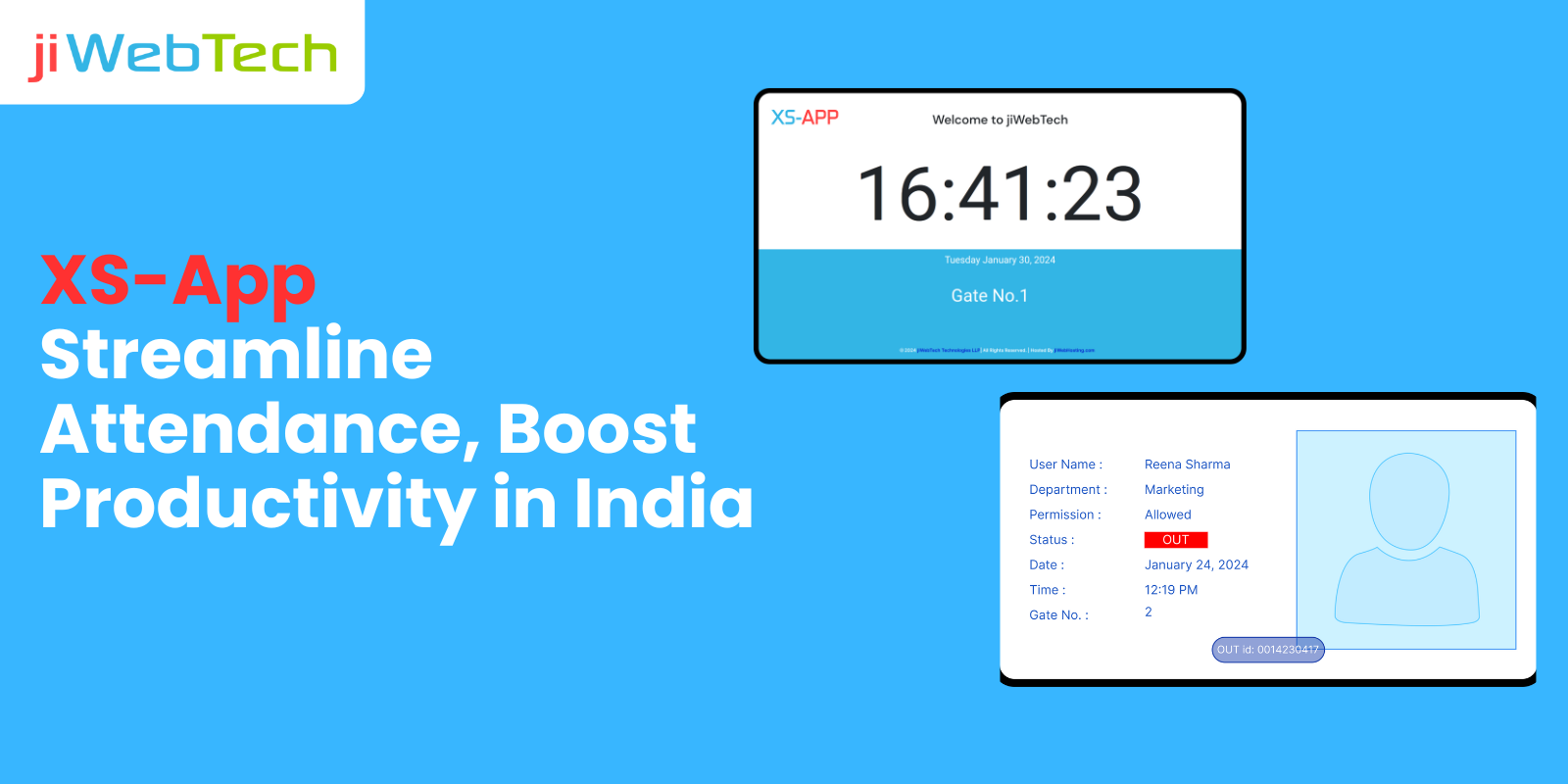
One such system that has revolutionized attendance management is XS-App. This application allows organizations in India to streamline their attendance management process, improving both accuracy and efficiency. In this blog, we’ll explore how XS-App can help businesses streamline attendance management, boost productivity, and foster a more organized work environment.
Key Takeaways:
- XS-App automates attendance, clock-ins, and leave requests, ensuring accuracy and reducing human error.
- It supports fixed, rotating, and flexible shifts, and remote work, making it suitable for diverse business models.
- Automation frees up time for both employees and HR, boosting overall productivity.
- XS-App secures employee data with encryption and ensures compliance with labor laws through automated reporting.
- XS-App integrates with existing HR and payroll systems, simplifying data flow and improving operational efficiency.
How to Develop an Attendance Management System?
Before delving into the specific features of XS-App, let’s understand how to develop an effective attendance management system. A good system is one that is scalable, secure, and easy to use. Here are the basic steps involved in developing an attendance management system:
1. Understanding Business Needs
The first step in developing an attendance management system is to understand the unique needs of the business. The system should be designed to meet the specific requirements of the organization, including:
- Shift Patterns: Different organizations may have different work schedules—some may operate in a standard 9-to-5 shift, while others may have rotating shifts or even flexible work hours.
- Employee Type: Businesses often employ full-time, part-time, contractual, or remote employees, and the attendance system should accommodate these variations.
- Compliance: It’s important to ensure that the system complies with local labor laws and regulations, including overtime pay, holidays, and leave policies.
2. Choosing the Right Technology
For an effective attendance management system, the right technology stack needs to be chosen. The system should be built on a solid foundation that can scale as the business grows. Some key considerations include:
- Cloud-Based vs. On-Premise: Cloud-based systems are easier to maintain, more scalable, and typically lower in cost, making them ideal for small and medium-sized businesses. On-premise solutions may offer more control, but they require more IT infrastructure and management.
- Mobile Compatibility: With the rise of remote work and flexible hours, mobile-friendly applications are essential to track attendance effectively. A mobile app can allow employees to clock in and out, request leave, and even access their attendance data in real-time.
- Biometric Authentication: To reduce fraud (such as buddy punching, where one employee clocks in for another), biometric authentication systems (like fingerprint or facial recognition) can be incorporated into the system.
- Integration with Other Systems: The attendance system should be capable of integrating with other HR and payroll management systems, which reduces data redundancy and ensures that employee pay is calculated based on accurate attendance.
3. Designing a User-Friendly Interface
The system should have an intuitive user interface (UI) that makes it easy for both employees and HR managers to navigate. Some key features include:
- Employee Dashboard: This should display the employee’s daily clock-in and clock-out times, total working hours, attendance status, leave balances, and any pending requests.
- Manager Dashboard: Managers should be able to view attendance reports, approve or reject leave requests, and monitor the attendance trends of their team members.
- Notifications and Alerts: Automated notifications can alert both employees and managers about irregularities in attendance, upcoming leave, or holiday reminders.
4. Security and Privacy
Since attendance data often contains sensitive information (like employee work hours and leave details), the system should prioritize data security. Ensure that the system includes:
- Data Encryption: All data should be encrypted to prevent unauthorized access.
- Role-Based Access Control: Limit access to sensitive data based on the role and responsibilities of the user.
- Regular Backups: Back up data periodically to avoid data loss in case of a technical issue or breach.
5. Testing and Implementation
Once the system has been developed, rigorous testing should be conducted to ensure that it is bug-free and works as expected. The testing phase includes:
- Functionality Testing: Ensure that the clock-in and clock-out functions, leave requests, and reports work smoothly.
- Load Testing: Test the system under varying loads to ensure it can handle a large number of users, especially for organizations with a large workforce.
- User Acceptance Testing: Invite a select group of employees to test the system and provide feedback on usability and features.
Once testing is complete, the system can be rolled out across the organization, with proper training provided to employees and HR personnel.
Benefits of an Attendance Management System
A good attendance management system can provide numerous benefits to both businesses and employees. Let’s explore some of the key advantages:
1. Enhanced Accuracy: Manual attendance tracking can often lead to errors, either in calculation or in the recording of attendance data. These errors can affect payroll calculations, lead to misunderstandings, and create friction between employees and management. An automated attendance management system eliminates human error, ensuring accurate records of employees' working hours and attendance.
2. Time Savings: Manual attendance management is a time-consuming process, especially for large organizations with a significant number of employees. HR personnel spend hours each month verifying attendance, calculating working hours, and manually processing leave requests. With an automated system like XS-App, this process becomes faster, allowing HR to focus on more strategic tasks, such as employee engagement and retention.
3. Improved Productivity: By eliminating the time spent on manual attendance tracking, employees can focus more on their core tasks, leading to improved overall productivity. XS-App allows employees to quickly clock in and out, request time off, and view their attendance data, saving valuable time. Moreover, managers can easily monitor attendance trends and identify patterns, helping them make informed decisions about staffing and resource allocation.
4. Real-Time Data Access: Gone are the days when managers had to wait for monthly reports to gauge attendance patterns. With XS-App, managers and HR personnel can access real-time data on employee attendance, which is especially useful for addressing attendance-related issues promptly. For instance, if an employee is frequently late, managers can identify this pattern early and take corrective action before it affects productivity.
5. Better Leave Management: Managing leave requests can be complex, especially when dealing with multiple types of leave (sick, vacation, personal, etc.) and multiple policies (paid vs. unpaid leave). XS-App allows employees to submit leave requests directly through the app, where they are automatically tracked and processed. Managers can approve or reject leave requests based on availability and company policies, ensuring a streamlined leave process.
6. Compliance and Reporting: Labor laws in India require companies to maintain accurate attendance records for compliance purposes. A good attendance management system helps businesses stay compliant by automatically calculating statutory holidays, overtime, and leave entitlements. XS-App offers customizable reports that can be used to generate compliance reports, making audits and inspections much easier.
7. Cost Savings: An efficient attendance management system helps businesses save money by reducing absenteeism and tardiness, which often result in lost productivity. By monitoring employee attendance more effectively, managers can identify patterns of absenteeism and address them proactively. Additionally, the system reduces administrative costs associated with paper-based processes.
8. Employee Engagement and Satisfaction: When attendance is managed transparently and efficiently, it can have a positive impact on employee morale. Employees appreciate the flexibility and ease of use that an automated system like XS-App offers. They can easily access their attendance records, request time off, and track their leave balances without needing to go through complex procedures or wait for approval from HR personnel.
Conclusion
In a country as vast and diverse as India, managing employee attendance can be a challenge for businesses of all sizes. However, with the right attendance management system, like XS-App, organizations can streamline this process, improve accuracy, and boost productivity. By automating attendance tracking, leave management, and compliance reporting, XS-App offers a comprehensive solution for modern businesses.
In a fast-evolving business landscape, XS-App not only simplifies attendance management but also contributes to a healthier and more engaged workforce. By fostering transparency, reducing administrative burdens, and ensuring compliance, XS-App enables companies to focus on what truly matters: growing their business and nurturing their employees.
Whether you are a small startup or a large enterprise, investing in a reliable attendance management system like XS-App can help you save time, reduce errors, and enhance productivity—ultimately driving success and growth in India’s competitive market.
Frequently Asked Questions
1. What is XS-App, and how does it help in attendance management?
XS-App is a comprehensive attendance management system designed to help businesses streamline their employee attendance tracking. It automates the process of clocking in and out, leave requests, and reporting, ensuring accurate and real-time data collection. The app integrates features such as biometric authentication, GPS tracking, and real-time notifications to reduce human error and increase productivity, making it easier for HR managers to monitor employee attendance.
2. Can XS-App handle multiple shift patterns and flexible working hours?
Yes, XS-App is highly customizable and can handle various shift patterns, including standard, rotating, and flexible shifts. Whether your employees work fixed hours, in shifts, or remotely, XS-App can track attendance accurately by allowing employees to clock in and out based on their assigned shifts. The system also accommodates part-time, full-time, and contractual employees, ensuring flexibility to suit different business models.
3. Is XS-App compatible with mobile devices and remote workers?
Absolutely! XS-App is mobile-friendly, offering both Android and iOS applications that allow employees to clock in and out from their smartphones. This is especially useful for businesses with remote or field-based workers. Employees can also view their attendance data, request leaves, and access reports directly from their mobile devices, making it an ideal solution for businesses with a flexible or distributed workforce.
4. How secure is the data on XS-App?
XS-App takes data security very seriously. The system uses end-to-end encryption to ensure that all attendance data, personal information, and leave requests are securely stored and transmitted. Additionally, XS-App employs role-based access control, ensuring that only authorized personnel can access sensitive data. The system also regularly backs up data to prevent loss in case of a technical issue.
5. Can XS-App integrate with other HR or payroll management systems?
Yes, XS-App can integrate with most HR and payroll management systems to ensure seamless data flow between different functions. By linking attendance data directly to payroll systems, XS-App helps eliminate the need for manual data entry, reducing errors and ensuring employees are paid accurately based on their actual working hours. This integration also streamlines reporting and compliance processes for HR departments.