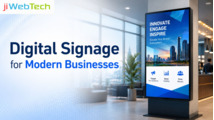
In an age where attention has become a currency, businesses must find innovative ways to grab and retain consumer focus. Traditional static advertising is losing ground to dynamic digital experiences that capture attention, convey targeted messaging, and adapt in real time. This shift has accelerated the adoption of digital signage, including interactive screens, video walls, and digital displays used in retail stores, restaurants, airports, corporate offices, hospitals, and other public spaces.
Digital signage is more than just a fancy screen. It is a powerful tool for storytelling, customer engagement, personalized messaging, and operational efficiency. Most importantly, it moves beyond awareness and influences behavior, turning foot traffic into conversions and passive viewers into active buyers.
Key Takeaways
Digital signage increases revenue by enhancing the customer experience, influencing purchase decisions, and promoting upsells.
Digital signage software directly boosts sales through targeted content, automation, analytics, and seamless integration.
Engagement rises when displays are relevant, interactive, and visually stimulating.
Essential features such as audience analytics, scheduling, personalization, and interactive content drive sales and engagement.
The future of digital signage lies in personalization, data-driven content, and AI-powered automation.
How Digital Signage Software Increases Sales
Digital signage software plays a critical role in transforming visual displays into strategic sales tools. While digital screens attract attention, it is the software behind them that enables intelligent content delivery, automation, personalization, and performance tracking. By allowing businesses to manage, analyze, and optimize messaging in real time, digital signage software directly influences customer behavior and drives measurable sales growth.
Centralized Content Management
Digital signage software allows businesses to control all displays from a centralized platform, making it easier to deploy promotions, update pricing, and ensure consistent messaging across locations. This centralized control eliminates delays caused by manual updates and ensures that time-sensitive offers reach customers immediately. When promotions are delivered quickly and accurately, businesses can capitalize on peak buying moments and maximize revenue opportunities.
Improves Conversion Rates
One of the most powerful ways digital signage software increases sales is through targeted content delivery. The software enables businesses to schedule and display messages based on time, location, customer demographics, or behavioral patterns. When customers see content that aligns with their immediate needs or interests, they are far more likely to engage and make a purchase. This relevance transforms casual viewers into active buyers.
Drives Impulse Buying
Many purchasing decisions occur at the point of sale, and digital signage software is designed to influence customers at this critical moment. By displaying promotions, product benefits, or limited-time offers exactly when customers are ready to buy, the software subtly nudges them toward higher-value choices. This strategic placement and timing increase impulse purchases and overall transaction value without requiring additional sales staff involvement.
Maximizes Sales Performance
Digital signage software provides valuable insights into how content performs. Businesses can analyze engagement levels, content effectiveness, and sales correlations to determine what drives the best results. These insights allow companies to continuously refine their messaging, test different visuals or offers, and focus on content that generates the highest return. Over time, this data-driven approach leads to more effective campaigns and consistent revenue growth.
Automation Reduces Costs
Automation is a major advantage of digital signage software. Content can be scheduled in advance or triggered automatically based on specific conditions, ensuring displays are always accurate and timely. This reduces the need for manual updates and minimizes human error. By lowering operational costs and ensuring optimal message delivery, automation contributes directly to improved profitability.
Creates Stronger Buying Intent
Personalized content significantly increases the likelihood of conversion, and digital signage software enables personalization within physical spaces. By integrating with customer data or audience analytics, the software can tailor messages to specific viewer profiles. When customers feel that content is relevant and personalized, they are more confident in their purchasing decisions, leading to higher sales and repeat business.
Effortless Upselling and Cross-Selling
Upselling and cross-selling are proven methods for increasing revenue, and digital signage software makes them effortless. The software can automatically promote complementary products, premium alternatives, or bundled offers at the right moment in the customer journey. These subtle prompts increase average order value while maintaining a positive customer experience.
Develops Trust and Boosts Sales
Consistent, high-quality digital content builds credibility and trust. Digital signage software ensures that information displayed is always current, accurate, and visually polished. When customers trust the information they see, hesitation decreases, and confidence increases, making them more likely to complete a purchase.
How Digital Signage Software Boosts Engagement
Digital signage software plays a vital role in transforming digital displays from passive information boards into engaging, interactive communication tools. Engagement is no longer about simply showing content, it is about creating meaningful connections with audiences. Through intelligent content delivery, real-time adaptability, and personalization, digital signage software helps businesses capture attention, sustain interest, and encourage interaction in ways that traditional signage cannot.
Dynamic Content Keeps Audiences Interested
One of the primary ways digital signage software boosts engagement is by enabling dynamic, visually compelling content. Motion graphics, videos, animations, and transitions naturally draw attention and hold viewer interest longer than static visuals. The software allows businesses to rotate content seamlessly, ensuring that displays remain fresh and visually stimulating. When content changes regularly, audiences are more likely to look, watch, and remember the message being communicated.
Enhances Viewer Connection
Relevance is essential for engagement, and digital signage software excels at delivering timely and context-aware content. The ability to update messaging instantly allows businesses to align displays with current conditions such as time of day, ongoing events, promotions, or local trends. When viewers see content that reflects what is happening in the moment, it feels more personal and meaningful, encouraging them to pay attention and engage.
Personalized Messaging
Digital signage software supports personalized content delivery by using data such as audience demographics, location, or behavior patterns. Personalized messages resonate more deeply with viewers because they feel directly addressed rather than broadly marketed to. This sense of relevance strengthens emotional engagement, increases content recall, and fosters a stronger connection between the audience and the brand.
Interactive Experiences
Engagement increases significantly when viewers can interact with content. Digital signage software enables touchscreens, motion sensors, and QR code interactions that invite users to participate rather than just observe. Whether it is browsing product information, navigating wayfinding kiosks, or exploring promotional offers, interactive experiences create a two-way relationship that keeps audiences involved and interested for longer periods.
Builds Trust and Familiarity
Consistency in messaging and branding is a key factor in sustained engagement. Digital signage software ensures that all displays maintain uniform branding, tone, and quality across multiple locations. This consistency helps build familiarity and trust, making audiences more comfortable engaging with the content. Over time, consistent exposure strengthens brand recognition and loyalty.
Increases Retention
Digital signage software services enables businesses to tell stories through sequential content. Instead of presenting isolated messages, brands can guide viewers through a narrative that unfolds across multiple slides or videos. Storytelling captures attention more effectively than standalone information and improves message retention. When audiences feel emotionally connected to a story, engagement naturally increases.
Creates Ongoing Interest
Live and continuously updating content keeps displays relevant and engaging. Digital signage software can integrate real-time data such as social media feeds, news updates, weather information, or event schedules. This type of content encourages repeat viewing, as audiences know the information will change. The anticipation of new or updated content sustains long-term engagement.
Improves User Experience
In environments where waiting is unavoidable, digital signage software enhances engagement by providing informative or entertaining content. Engaging displays help distract viewers, making wait times feel shorter and more pleasant. When customers are occupied and informed, their overall experience improves, leading to more positive brand associations and increased willingness to engage further.
Refines Engagement Strategies
Digital signage software provides insights into how audiences interact with displayed content. By analyzing engagement patterns, dwell time, and content performance, businesses can refine their strategies to better capture attention. This continuous improvement cycle ensures that engagement efforts remain effective and aligned with audience preferences.
Key Features That Drive Sales and Engagement
Digital signage is most effective when it combines visually compelling displays with intelligent software features that drive both sales and audience engagement. While screens alone attract attention, the underlying capabilities of digital signage software determine how well businesses can influence customer behavior, personalize experiences, and optimize outcomes. Several key features are essential for turning digital signage into a revenue-generating and engagement-enhancing tool.
Content Scheduling and Automation
One of the most important features of digital signage software is the ability to schedule and automate content. Businesses can plan campaigns in advance, ensuring that promotional messages are displayed at the most effective times without manual intervention. Automated scheduling also allows for time-sensitive promotions, such as lunch specials or seasonal offers, to be displayed precisely when they matter most. This feature ensures consistent delivery of messages, increases efficiency, and helps maximize sales opportunities.
Analytics and Reporting
Data is the backbone of effective engagement and revenue growth. Advanced digital signage software provides detailed analytics on how content performs, including metrics such as viewer engagement, dwell time, and interaction rates. Businesses can track which messages lead to sales, which visuals hold attention, and which campaigns are most effective. Access to these insights allows companies to refine their strategies, optimize content, and continually improve both customer engagement and sales performance.
Personalization and Targeting
Digital signage software enables personalized messaging based on factors such as audience demographics, location, behavior patterns, and even weather or event conditions. Personalized content resonates more deeply with viewers, creating a sense of relevance and connection that increases engagement. When audiences feel that messages are tailored to their needs, they are more likely to take action, whether making a purchase, exploring additional products, or participating in interactive experiences.
Interactive Capabilities
Interactive digital signage is one of the most powerful ways to boost engagement. Touchscreens, motion sensors, and QR code interactions allow viewers to actively participate rather than passively consume content. Customers can explore products, navigate stores, access information, or participate in gamified promotions. By encouraging interaction, businesses keep audiences engaged longer, create memorable experiences, and increase the likelihood of conversions and repeat visits.
Dynamic Content Management
Flexibility in content delivery is essential for driving both engagement and sales. Digital signage software supports dynamic content that can include videos, animations, live feeds, social media streams, or weather updates. This versatility keeps displays fresh and interesting, preventing audience fatigue and sustaining attention. By rotating and adapting content automatically, businesses ensure that their messaging remains relevant and compelling at all times.
Integration with Business Systems
Seamless integration with point-of-sale systems, inventory management, and customer relationship management platforms allows digital signage to align directly with business objectives. For example, software can automatically promote products that are in stock, suggest upsells or complementary items, or highlight loyalty rewards for returning customers. These integrations make the signage more strategic and effective in driving measurable sales outcomes.
Cloud-Based Management
Cloud-based digital signage platforms allow businesses to manage content and updates remotely across multiple locations. Teams can adjust messaging in real time, launch campaigns simultaneously in multiple stores, and monitor performance from anywhere. This centralized control improves operational efficiency, ensures brand consistency, and allows rapid responses to changing market conditions or customer needs.
Security and Access Control
Ensuring the right people have access to manage content is critical for maintaining brand integrity. Digital signage software offers secure access controls, allowing administrators to set permissions for team members or franchise locations. This prevents unauthorized changes, protects sensitive data, and ensures that all displayed content meets quality and compliance standards.
Storytelling and Sequenced Content
Beyond static promotions, advanced digital signage allows businesses to create narratives through sequenced content. By guiding viewers through a visual story, brands can educate, entertain, and persuade audiences more effectively. Story-driven displays enhance engagement, increase content retention, and influence purchase decisions by creating a stronger emotional connection with viewers.
Real-Time Updates and Alerts
The ability to push real-time updates is a key feature for both engagement and revenue. Businesses can display flash sales, stock alerts, or live event updates instantly, ensuring customers receive the most current information. This immediacy increases urgency, encourages action, and ensures that digital signage remains a dynamic and influential part of the sales process.
Conclusion
At jiWebTech, we understand that digital signage is far more than a display screen. It is a strategic tool that transforms how businesses communicate, engage, and generate revenue. The power of digital signage lies not only in its ability to capture attention but also in the intelligence of the software behind it, which enables personalization, automation, analytics, and seamless integration with business operations.
Our approach ensures that every screen is optimized to deliver measurable results, whether the goal is increasing foot traffic, boosting in-store purchases, or enhancing customer experiences. By integrating advanced analytics, real-time updates, and interactive capabilities, we empower businesses to connect with their audiences in meaningful ways while maximizing ROI. Contact us to learn more about our digital signage solutions.
Frequently Asked Questions
1. What types of businesses can benefit from digital signage?
Digital signage is versatile and effective for virtually any business that interacts with customers, employees, or the public. Retail stores, restaurants, hotels, corporate offices, healthcare facilities, transportation hubs, and educational institutions all benefit from increased engagement, improved communication, and enhanced sales opportunities through dynamic displays.
2. How quickly can digital signage increase sales?
The impact of digital signage varies depending on content quality, placement, and strategy. Many businesses see immediate improvements in impulse purchases and customer attention, while measurable revenue growth typically emerges within a few weeks as content is optimized based on analytics and audience behavior.
3. Is implementing digital signage expensive?
Costs depend on factors such as screen size, software platform, content creation, and installation. While there is an initial investment, digital signage often delivers a strong return on investment by increasing sales, reducing printing costs, and enhancing customer engagement, making it a cost-effective marketing and operational solution over time.
4. Can digital signage integrate with existing business systems?
Yes. Modern digital signage software can integrate with point-of-sale (POS) systems, inventory management tools, customer relationship management (CRM) platforms, and live data feeds. These integrations enable personalized promotions, real-time updates, and automated messaging, aligning signage directly with business objectives.
5. How do businesses measure the effectiveness of digital signage?
Effectiveness is measured using analytics provided by digital signage software, including metrics such as audience engagement, dwell time, content performance, and sales lift. Businesses can track which messages drive the best results, optimize campaigns, and calculate ROI. Continuous monitoring ensures that signage remains a dynamic tool for driving both engagement and revenue.