A Human Resource Management System is a comprehensive software solution designed to streamline and automate various HR functions, including recruitment, payroll, employee records, performance management, and compliance. By centralizing these processes, HRMS allows businesses to focus more on strategic growth rather than administrative tasks.
Did you know that organizations spend up to 40% of their HR budgets on administrative tasks rather than strategic initiatives? Or that companies with efficient HR systems experience 21% higher productivity compared to those relying on manual processes? These numbers highlight a critical reality: human resource management is no longer just about paperwork - it is a strategic driver of business success.
In today’s fast-paced business environment, managing employee information, payroll, recruitment, performance, and compliance manually is time-consuming and prone to errors. This is where a Human Resource Management System (HRMS) becomes indispensable. By automating and centralizing HR functions, an HRMS not only reduces administrative workload but also empowers businesses to make data-driven decisions, improve employee satisfaction, and drive long-term growth.
Highlights
- Streamlines processes and keeps all employee data securely in one accessible place.
- Automates payroll, attendance, and benefits, reducing errors and unnecessary administrative overhead.
- Self-service portals and performance tools significantly boost engagement, satisfaction, and retention.
- Insights on performance, turnover, and trends help managers make smarter, strategic choices.
- Supports business growth while maintaining strict legal, regulatory, and data compliance standards.
Understanding Human Resource Management System
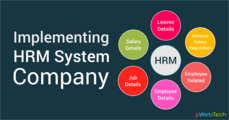
A Human Resource Management System (HRMS) is more than just software for managing employee records - it is a strategic tool that integrates and streamlines all HR functions into a single, cohesive platform. In today’s fast-paced business environment, organizations face increasing pressure to manage talent efficiently, comply with regulations, and make data-driven decisions. An HRMS addresses these challenges by automating routine tasks, centralizing information, and providing actionable insights. At its core, a Human Resource Management Software is a software solution designed to handle the end-to-end management of human resources. It typically combines several modules, such as:
Employee Database Management: Stores comprehensive employee information, including personal details, employment history, qualifications, skills, and certifications. Having a centralized database ensures accuracy and easy accessibility for HR teams.
Payroll Management: Automates salary calculations, deductions, taxes, and benefits administration, minimizing human error and ensuring compliance with tax and labor regulations.
Recruitment and Onboarding: Streamlines the hiring process with tools for job posting, candidate tracking, interview scheduling, and onboarding workflows.
Performance Management: Enables goal setting, performance evaluations, and continuous feedback, helping employees align with organizational objectives.
Time and Attendance Tracking: Monitors employee hours, leave requests, and absenteeism, which directly integrates with payroll and productivity tracking.
Top Reasons to Invest in Human Resource Management System
Businesses often hesitate to invest in an HRMS due to upfront costs or unfamiliarity with technology. However, the benefits far outweigh the initial investment. Here’s how an HRMS can transform your business:
1. Streamlined HR Processes
Manual HR processes are time-consuming and prone to errors. Tasks like payroll calculation, leave approvals, and performance tracking can take hours or even days when done manually. An HRMS automates these processes, ensuring accuracy and freeing up HR professionals to focus on strategic initiatives rather than administrative tasks.
2. Improved Employee Experience
An HRMS often comes with self-service portals where employees can access their personal information, submit leave requests, view payslips, and track performance goals. This transparency enhances employee satisfaction and engagement, creating a positive work culture.
3. Data-Driven Decision Making
With an HRMS, management can access real-time reports and analytics, helping identify trends such as employee turnover, skill gaps, and performance issues. These insights allow leaders to make informed decisions that support long-term growth.
4. Cost Efficiency
While implementing an HRMS involves an upfront investment, it reduces long-term operational costs. Automation minimizes errors, lowers administrative workload, and reduces the need for multiple HR staff to handle routine tasks. Over time, the ROI can be substantial.
5. Enhanced Compliance and Security
HRMS platforms ensure that your business remains compliant with labor laws and data protection regulations. They also provide secure storage for sensitive employee information, reducing the risk of data breaches or compliance violations.
6. Scalability for Growing Businesses
As businesses expand, managing HR processes manually becomes increasingly difficult. An HRMS grows with your organization, allowing you to add new employees, departments, and locations without disrupting workflows.
7. Better Talent Management
From attracting candidates to onboarding them efficiently, an HRMS streamlines the entire recruitment process. Advanced features like applicant tracking systems (ATS) and AI-driven resume screening help identify the best talent faster.
8. Performance Tracking
Modern HRMS solutions provide tools for continuous performance monitoring, training recommendations, and career development planning. This fosters a culture of growth and motivates employees to perform at their best.
How Much Does it Cost to Develop a Human Resource Management System
The cost of developing a custom HRMS depends on various factors, including features, complexity, platform choice, and whether you opt for an in-house solution or a third-party vendor.
Type of HRMS | Estimated Cost Range |
|---|---|
Basic HRMS | $5,000 – $15,000 |
Mid-Level HRMS | $15,000 – $50,000 |
Advanced/Enterprise HRMS | $50,000 – $200,000+ |
Key Cost Factors
Features & Modules: Basic HRMS software with payroll and leave management is cheaper than advanced systems with recruitment, analytics, and performance management.
Platform & Technology: Cloud-based solutions may require subscription fees, whereas on-premises systems involve higher initial setup costs.
Customization: Customizing the HRMS according to your business requirements increases the cost but ensures a perfect fit.
Integration: Integrating the HRMS with existing systems like accounting, CRM, or ERP can add to the cost.
Maintenance & Updates: Ongoing support, updates, and security patches also contribute to the total investment.
Transforming Your Business with HRMS
Implementing a Human Resource Management System (HRMS) is far more than just digitizing HR paperwork it is a strategic move that can fundamentally reshape the way your business operates. Let’s take a closer look at how an HRMS transforms different aspects of your organization.
1. Boosting Operational Efficiency
One of the most immediate benefits of an HRMS is operational efficiency. Traditionally, HR teams spend countless hours managing payroll, leave requests, employee records, and compliance reporting. These repetitive tasks are prone to human error and can drain valuable resources. With an HRMS, these processes are automated. Payroll calculations, tax deductions, benefits tracking, and leave approvals can be processed in minutes with minimal manual input.
2. Enhancing Employee Experience
A modern HRMS often includes self-service portals where employees can access their personal data, submit leave requests, view performance reports, and update their information without HR intervention. This level of transparency and empowerment has a direct impact on employee satisfaction and engagement. Engaged employees are more productive, committed, and motivated to contribute to the organization’s goals.
3. Data-Driven Strategic Decision Making
In the past, HR decisions often relied on intuition rather than real-time insights. An HRMS provides robust reporting and analytics capabilities that allow businesses to monitor workforce trends, turnover rates, skill gaps, and employee performance metrics. With access to such data, management can make informed, proactive decisions. Similarly, performance data can guide promotions, training, and succession planning, creating a culture of growth and opportunity.
4. Cost Reduction and Resource Optimization
While there is an initial investment in implementing an HRMS, the long-term savings are substantial. Automation reduces the need for excessive paperwork, minimizes errors that lead to costly corrections, and lowers administrative workload. Moreover, the ability to accurately track attendance, leaves, and overtime ensures that payroll is precise, preventing overpayment or disputes.
Conclusion
In conclusion, a Human Resource Management System offers the tools and insights needed to streamline processes, enhance employee satisfaction, ensure compliance, and make data-driven decisions.
At jiWebTech, we understand that every business has unique HR needs. Whether you’re a growing startup or an established enterprise, investing in a robust HRMS can dramatically transform your operations and drive long-term success. By leveraging technology, you not only save time and resources but also empower your workforce to reach its full potential.
Embrace the future of HR management with a custom HRMS solution from jiWebTech, and watch your business thrive. Contact us today.
Frequently Asked Questions
1. What is the difference between HRMS, HRIS, and HCM?
HRIS (Human Resource Information System) focuses mainly on employee data management. HRMS (Human Resource Management System) includes HRIS functionalities plus payroll, benefits, and performance management. HCM (Human Capital Management) is broader, integrating HRMS features with strategic workforce planning.
2. Can small businesses benefit from HRMS?
Absolutely. Even small businesses can save time, reduce errors, and improve employee engagement with a basic HRMS solution. Many SaaS options are affordable and scalable for small teams.
3. How secure is employee data in an HRMS?
Modern HRMS platforms use encryption, secure servers, and role-based access to protect sensitive employee data, ensuring compliance with privacy regulations like GDPR and CCPA.
4. How long does it take to implement an HRMS?
Implementation typically takes 3–6 months, depending on the system’s complexity, level of customization, and data migration requirements. SaaS solutions may be deployed faster.
5. Is it better to buy an HRMS or develop a custom solution?
It depends on your business needs. Off-the-shelf SaaS solutions are faster to deploy and cost-effective, while custom development provides tailored features and integrations specific to your organization.