The real estate industry is entering a transformative phase in 2026, shaped by technology, evolving buyer expectations, economic shifts, and sustainability priorities. What was once a traditionally slow-moving sector is now being rapidly reshaped by digital innovation and data-driven decision-making. Buyers are more informed than ever, investors are becoming increasingly strategic, and developers are adopting smarter approaches to meet modern demands.
One of the most striking indicators of this growth is the projection that the global real estate market size is expected to reach $14.5 trillion by 2030, growing at a CAGR of 6% . This growth is not just about expansion, it reflects a complete shift in how real estate is bought, sold, managed, and experienced.
At the heart of this transformation lies the integration of real estate solutions and advanced digital tools offered by every forward-thinking software solutions company. In this blog, we explore the most important real estate trends in 2026 and what they mean for buyers and investors looking to stay ahead in a competitive and evolving market.
Key Takeaways
- Real estate software and online software solutions are streamlining buying, selling, and transactions.
- Buyers prefer eco-friendly and tech-enabled properties for better value and living.
- Tools from an online software solutions company help investors make informed decisions.
- Hybrid work is increasing demand for flexible and suburban living spaces.
- Strong real estate solutions from a software solutions company improve customer experience and transparency.
Top Real Estate Trends in 2026
The real estate landscape in 2026 is evolving rapidly, driven by technology, changing lifestyles, and economic shifts. Buyers, investors, and developers are adapting to new expectations, making it essential to stay updated with the latest trends shaping the industry.
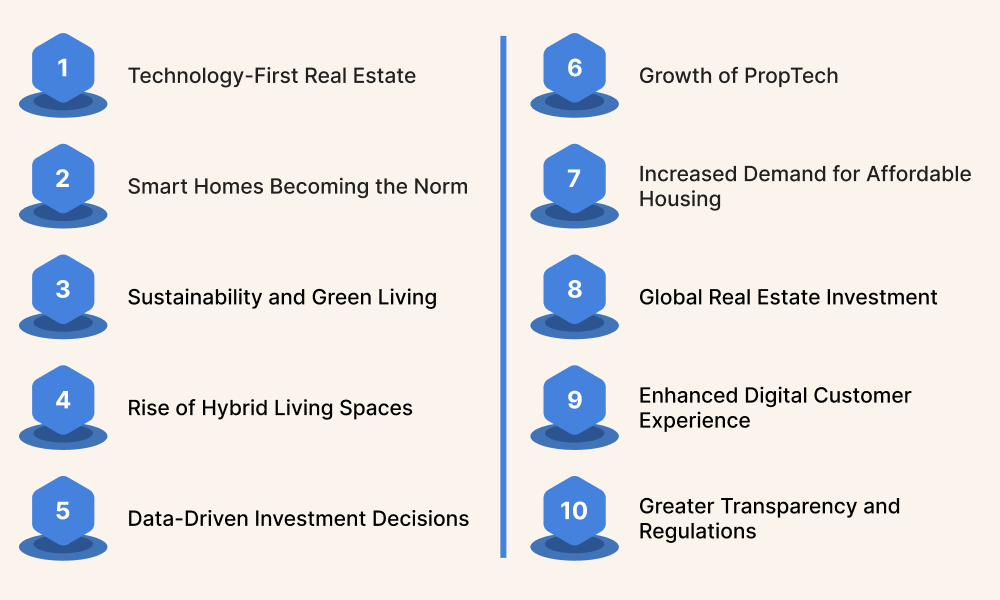
Technology-First Real Estate:
Digital transformation is no longer optional—it has become the backbone of the real estate industry. In 2026, advanced real estate software are redefining how properties are discovered, evaluated, and purchased. Buyers can now explore homes through immersive virtual tours, use AI-driven tools to receive personalized property recommendations, and complete transactions digitally with minimal paperwork.
For real estate businesses, partnering with a reliable software solutions company enables automation of listings, customer management, and communication. This not only improves efficiency but also enhances the overall buying experience.
Smart Homes Becoming the Norm
Smart homes have transitioned from being luxury offerings to essential features in modern housing. In 2026, buyers expect properties to be equipped with advanced technologies that enhance convenience, safety, and energy efficiency. Features such as voice-controlled assistants, automated lighting systems, smart thermostats, and remote-controlled security systems are becoming standard. These innovations are powered by integrated online software solutions, allowing homeowners to manage their properties from anywhere in the world.
Sustainability and Green Living
Sustainability is a major driving force in real estate decisions in 2026. Buyers are increasingly conscious of their environmental impact and prefer homes that are energy-efficient and eco-friendly. Green buildings that incorporate solar panels, rainwater harvesting systems, and sustainable construction materials are gaining popularity. Developers are using innovative real estate solutions to design projects that meet environmental standards while reducing long-term operational costs. Governments are also supporting this trend through incentives and tax benefits for eco-friendly developments.
Rise of Hybrid Living Spaces
The shift towards remote and hybrid work models has significantly influenced real estate preferences. In 2026, homes are no longer just living spaces—they are multifunctional environments that support work, leisure, and wellness. Buyers are actively looking for properties with dedicated home offices, soundproof workspaces, and flexible layouts. Developers are leveraging real estate software to analyze these changing preferences and design properties that align with evolving needs.
Data-Driven Investment Decisions
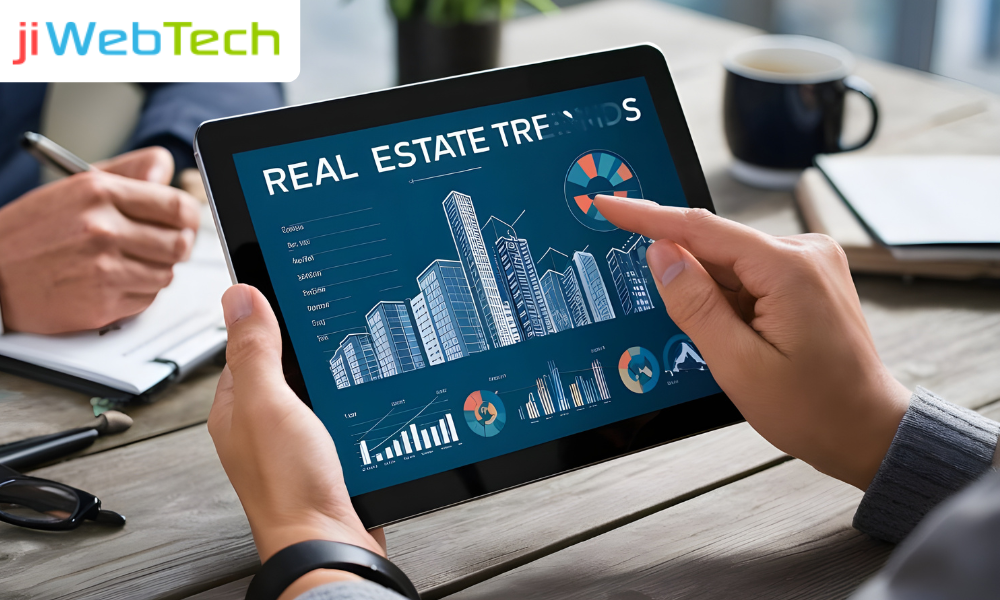
Real estate investment in 2026 is becoming increasingly data-driven. Investors are moving away from guesswork and relying on analytics to make informed decisions. Advanced tools developed by an online software solutions company provide insights into market trends, property appreciation rates, rental yields, and risk factors.
Growth of PropTech
The rise of Property Technology (PropTech) is transforming the real estate ecosystem. Startups and established firms alike are introducing innovative platforms that simplify buying, selling, and managing properties. From digital marketplaces to automated property management systems, PropTech is making real estate more accessible and efficient. A modern software solutions company plays a crucial role in enabling these innovations by developing scalable and user-friendly platforms. Features such as AI-based tenant screening, digital lease management, and real-time property tracking are becoming increasingly common. For buyers and investors, this means faster transactions, improved transparency, and a more seamless experience overall.
Increased Demand for Affordable Housing
Despite the rise of luxury and smart homes, affordable housing remains a critical focus area in 2026. Rapid urbanization, population growth, and rising property prices have made affordability a key concern for many buyers, especially first-time homeowners. Developers are addressing this demand by leveraging efficient real estate solutions to reduce construction costs and optimize resources. Government initiatives and subsidies are also playing a significant role in promoting affordable housing projects.
Global Real Estate Investment
The real estate market is becoming increasingly globalized, with investors exploring opportunities beyond their local regions. In 2026, cross-border investments are easier than ever, thanks to digital platforms and improved access to international property data. Using custom software solutions, investors can analyze global markets, compare property prices, and evaluate potential returns without the need for physical visits. This trend is particularly appealing for those looking to diversify their investment portfolios and benefit from currency fluctuations and international growth markets.
Enhanced Digital Customer Experience
Customer expectations in real estate have evolved significantly. In 2026, buyers demand seamless, transparent, and personalized experiences throughout their property journey. Real estate companies are responding by adopting advanced digital platforms that offer end-to-end services, from property search to final purchase.
Greater Transparency and Regulations
Regulatory frameworks in 2026 are becoming more robust, ensuring greater transparency and accountability in real estate transactions. Governments are implementing stricter guidelines to protect buyers and promote fair practices within the industry. Real estate software is playing a vital role in helping companies stay compliant with these regulations while maintaining accurate and accessible records.
Benefits of Real Estate Solutions
In today’s rapidly evolving property market, adopting modern real estate solutions is no longer a choice - it’s a necessity. With increasing competition, changing buyer expectations, and the growing role of technology, real estate businesses must rely on advanced real estate software to stay efficient, scalable, and customer-focused. Whether you are a developer, broker, investor, or property manager, partnering with a reliable software solutions company can significantly transform how you operate and grow.
Below are the expanded benefits of implementing software solutions in the real estate industry:
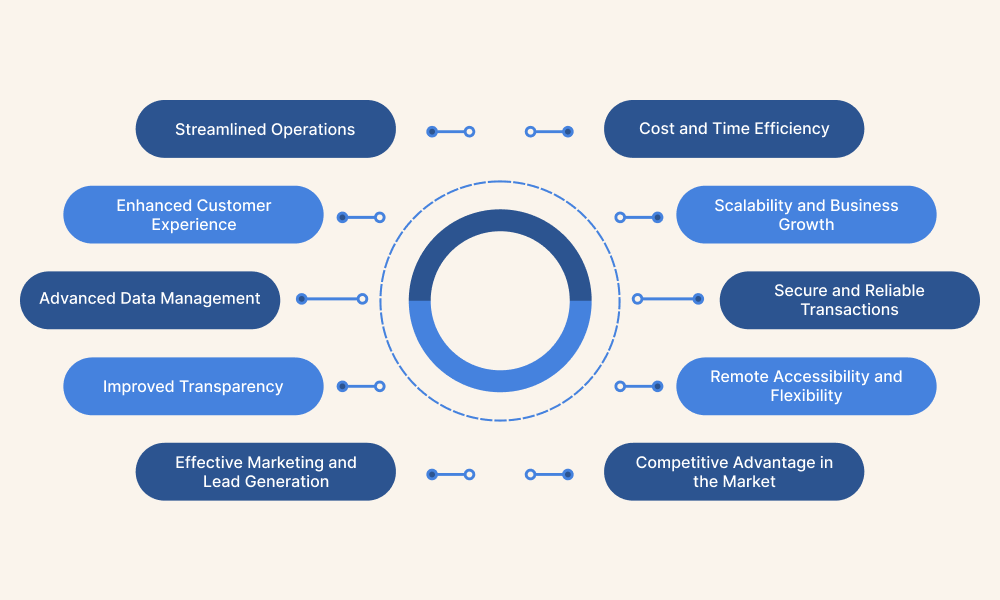
1. Streamlined Operations
Real estate solutions simplify complex and time-consuming processes by automating routine tasks such as property listings, document handling, client follow-ups, and appointment scheduling. Instead of managing multiple spreadsheets or manual records, businesses can centralize operations on a single platform.
Automation not only reduces human errors but also increases productivity by allowing teams to focus on strategic tasks like closing deals and building relationships. With efficient workflow management, businesses can handle more clients and properties without increasing operational burden.
2. Enhanced Customer Experience
Customer experience is a key differentiator in the real estate market. Modern online software solutions provide features like virtual property tours, real-time chat support, and personalized property recommendations based on user behavior.
Buyers can explore properties anytime, anywhere, without the need for physical visits. This convenience builds trust and satisfaction, leading to faster decision-making. Additionally, seamless communication between buyers, sellers, and agents ensures a smooth and transparent journey from inquiry to purchase.
3. Advanced Data Management
Data plays a crucial role in making informed real estate decisions. With advanced real estate software, businesses can collect, store, and analyze large volumes of data related to market trends, customer preferences, pricing patterns, and sales performance.
These insights help identify profitable opportunities, predict future trends, and optimize pricing strategies. Investors can also use these analytics tools to evaluate risk and return, making their investments more strategic and data-driven.
4. Improved Transparency
Transparency is critical in real estate transactions, where large sums of money are involved. Digital real estate solutions ensure that all information—property details, legal documents, transaction history—is easily accessible and verifiable.
This reduces the chances of fraud and miscommunication while building trust among buyers and investors. Features like digital documentation and secure transaction records provide clarity at every stage of the process.
5. Effective Marketing and Lead Generation
Real estate solutions come equipped with powerful marketing tools that help businesses promote their properties to the right audience. From automated email campaigns to targeted digital advertising, these tools enhance visibility and engagement.
CRM (Customer Relationship Management) systems integrated into real estate software allow businesses to track leads, nurture prospects, and convert them into customers efficiently. This results in higher conversion rates and better return on investment.
6. Cost and Time Efficiency
Manual processes often lead to delays and increased operational costs. By adopting software solutions, businesses can significantly reduce paperwork, administrative tasks, and turnaround time.
For example, property documentation, approvals, and communication that once took days can now be completed within minutes. This efficiency not only saves time but also reduces overhead costs, making operations more profitable.
7. Scalability and Business Growth
As real estate businesses expand, managing multiple properties, clients, and transactions can become challenging. A robust platform provided by a software solutions company ensures scalability, allowing businesses to grow without operational limitations.
Whether entering new markets or handling increased demand, scalable solutions enable seamless expansion while maintaining performance and efficiency.
8. Secure and Reliable Transactions
Security is a top priority in real estate. Advanced real estate software uses encryption, secure servers, and sometimes blockchain technology to ensure safe transactions and data protection. This minimizes risks associated with fraud, unauthorized access, and data breaches. Buyers and investors feel more confident when dealing with platforms that prioritize security and compliance.
9. Remote Accessibility and Flexibility
With cloud-based software solutions, real estate operations are no longer restricted to physical offices. Agents, buyers, and investors can access property information, communicate, and manage transactions from anywhere in the world.
This flexibility is especially beneficial in today’s digital-first environment, where remote work and global investments are becoming increasingly common.
10. Competitive Advantage in the Market
In a highly competitive industry, businesses that adopt innovative real estate solutions stand out. They can offer faster services, better customer experiences, and more reliable operations compared to traditional methods.
By working with a forward-thinking software solutions company, real estate businesses can stay ahead of trends, attract more clients, and build a strong brand presence in the market.
Conclusion
At jiWebTech, we see 2026 as a turning point where innovation and adaptability define success in real estate. The growing role of real estate solutions and advanced real estate software is transforming how businesses operate and how buyers and investors engage with the market.
As a trusted software solutions company, jiWebTech is committed to delivering scalable, efficient, and user-friendly digital tools that empower real estate businesses to stay competitive. Our custom software solutions are designed to streamline operations, enhance customer experiences, and support data-driven decision-making.
Moving forward, embracing technology will not just be an advantage—it will be a necessity. At jiWebTech, we aim to help you stay ahead in this evolving landscape with smart, future-ready solutions.
Frequently Asked Questions
1. What are the key real estate trends in 2026?
Major trends include digital transformation, smart homes, sustainable housing, data-driven investments, and the rise of PropTech solutions.
- Increased adoption of digital platforms and real estate software
- Growing demand for smart and connected homes
- Rise in sustainable and eco-friendly developments
- Expansion of data-driven investment strategies
2. How is technology improving the real estate industry?
Technology, including real estate software and online software solutions, simplifies property searches, enables virtual tours, and ensures faster, more transparent transactions.
- Enables virtual tours and remote property viewing
- Simplifies transactions through software solutions
- Enhances transparency with digital documentation
- Provides AI-based property recommendations
3. Is real estate a good investment in 2026?
Yes, with market growth and advanced tools from an software solutions company, real estate remains a stable and profitable long-term investment option.
- Strong market growth with increasing global demand
- Stable long-term returns compared to other assets
- Access to analytics via an software solutions company
- Opportunities in both local and international markets
4. What should buyers consider before purchasing property?
Buyers should focus on location, future growth potential, smart features, sustainability, and properties supported by reliable real estate solutions.
Location and future development potential
- Availability of smart and modern features
- Sustainability and energy efficiency of the property
- Legal transparency and documentation
- Integration with reliable real estate software systems
5. How can software solutions benefit real estate businesses?
A software solutions company provides tools to streamline operations, improve customer experience, enhance data analysis, and ensure transparency in transactions.
- Enhances customer experience through digital platforms
- Enables data-driven decision-making
- Improves transparency and compliance
- Scales operations with help from a software solutions company