Companies that invest in attracting, developing, engaging, and retaining top talent consistently outperform their competitors. However, managing the complete employee lifecycle manually is becoming increasingly difficult due to evolving workforce expectations, remote work models, skill shortages, and changing compliance requirements.
This is where Talent Management Solutions play a vital role. These comprehensive software platforms help businesses streamline recruitment, onboarding, performance management, learning and development, succession planning, employee engagement, and workforce analytics - all from a centralized system.
In this blog, we will explore the top benefits of implementing talent management solutions in modern workplaces, explain why businesses are rapidly adopting these platforms, and discuss how they contribute to long-term organizational success.
Key Takeaways
- Talent Management Solutions streamline the entire employee lifecycle, from recruitment and onboarding to performance management.
- Automated HR processes improve hiring efficiency, reduce administrative workload, and enable faster, data-driven decision-making.
- Continuous learning, performance tracking, and career development help employees contribute more effectively to organizational goals.
- Employee engagement initiatives, recognition programs, and growth opportunities improve job satisfaction and increase retention rates.
- Workforce analytics provide valuable insights that support strategic planning, optimize resource allocation, and identify future talent needs.
Why Talent Management Solutions Are Essential for Modern Businesses
Modern organizations face increasing challenges in hiring qualified professionals, retaining top performers, and continuously upskilling employees. Traditional HR systems often focus only on administrative tasks, whereas talent management platforms strategically manage the entire employee journey.
1. Improves Recruitment Efficiency
Talent management solutions simplify the hiring process by automating job postings, applicant tracking, resume screening, interview scheduling, and onboarding. These capabilities reduce manual effort, shorten hiring cycles, and help HR teams identify the most qualified candidates quickly, ensuring businesses secure top talent before competitors.
2. Enhances Employee Performance
Modern talent management platforms enable continuous performance tracking, goal setting, regular feedback, and personalized learning opportunities. Organizations can identify skill gaps, create tailored development plans, and empower employees to enhance their capabilities while aligning individual performance with business objectives.
3. Boosts Employee Engagement
Engaged employees are more productive and committed to organizational success. Talent management solutions foster engagement through recognition programs, career development initiatives, performance reviews, employee surveys, and transparent communication. This creates a positive work environment that improves job satisfaction and reduces employee turnover.
4. Supports Data-Driven Decision Making
Talent management solutions provide advanced analytics and real-time workforce insights that help HR leaders make informed decisions. Businesses can monitor recruitment effectiveness, employee productivity, training outcomes, turnover trends, and succession readiness, enabling strategic workforce planning and better resource allocation.
5. Simplifies Skill Development
Continuous learning is essential in today's fast-changing business landscape. Talent management platforms offer integrated learning management systems that deliver personalized training, certification programs, and skill development resources. This helps employees stay updated with industry trends while preparing organizations for future challenges.
6. Strengthens Succession Planning
Identifying and preparing future leaders is crucial for long-term business continuity. Talent management solutions help organizations recognize high-potential employees, create leadership development programs, and establish succession plans that ensure smooth transitions for critical roles and minimize operational disruptions.
Top Benefits of Implementing Talent Management Solutions
Implementing a Talent Management Solution enables organizations to effectively manage every stage of the employee lifecycle, from recruitment and onboarding to performance evaluation, learning, and succession planning. Below are the key benefits of implementing talent management solutions in modern workplaces.
1. Streamlined Recruitment and Faster Hiring
Talent management software simplify the recruitment process by automating repetitive hiring tasks and providing recruiters with tools to identify qualified candidates quickly. This reduces hiring time, improves candidate quality, and enhances the overall recruitment experience.
- Automated job posting across multiple platforms
- AI-powered resume screening and candidate matching
- Faster interview scheduling and hiring workflows
- Improved candidate experience and employer branding
2. Employee Performance Management
Modern talent management platforms enable organizations to monitor employee performance continuously rather than relying solely on annual reviews. Managers can set goals, provide regular feedback, and measure performance using real-time data.
- Continuous performance tracking and evaluations
- Goal setting aligned with business objectives
- Real-time feedback and coaching opportunities
- Fair, data-driven performance reviews
3. Improved Employee Development
Continuous learning is essential for organizational success. Talent management solutions provide employees with personalized training programs, certifications, and development opportunities that help them acquire new skills and advance their careers.
- Personalized learning paths for employees
- Easy access to online training and courses
- Identification of skill gaps and development needs
- Better career growth and internal promotions
4. Increased Employee Engagement
Engaged employees are more productive, motivated, and committed to organizational success. Talent management solutions foster a positive workplace culture by supporting employee recognition, career development, and open communication.
- Employee recognition and reward programs
- Career development and succession planning
- Regular employee feedback and engagement surveys
- Reduced turnover and improved job satisfaction
5. Data-Driven Workforce Planning
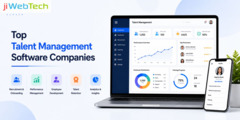
Talent management platforms provide advanced analytics that help HR leaders make informed workforce decisions. Businesses can monitor hiring trends, employee productivity, retention rates, and future staffing requirements using comprehensive dashboards.
- Real-time HR dashboards and workforce analytics
- Better forecasting of future talent requirements
- Improved resource allocation and workforce planning
- Strategic decision-making based on actionable insights
Best Practices for Successful Talent Management Implementation
Successfully implementing a Talent Management Solution requires more than simply deploying software, it demands a strategic approach that aligns technology with business objectives and workforce needs. Organizations should focus on creating clear processes, encouraging employee adoption, and continuously monitoring performance to maximize the value of their investment.
1. Define Clear Business Goals
Before implementing a talent management solution, organizations should identify the specific challenges they want to address, such as improving recruitment, enhancing employee performance, increasing retention, or developing future leaders. Clearly defined objectives ensure the platform is configured to meet business needs and deliver measurable outcomes.
2. Choose a Scalable Solution
Select a talent management platform that can grow alongside your organization and integrate seamlessly with existing HR, payroll, and enterprise systems. A scalable solution reduces operational complexities, improves data consistency, and supports future business expansion without requiring major system changes.
3. Provide Comprehensive Training
A successful implementation depends on employees and managers understanding how to use the platform effectively. Conduct regular training sessions, provide user guides, and encourage active participation to ensure the system is adopted across the organization and delivers its full potential.
4. Continuously Monitor Performance
Regularly evaluate key performance metrics such as recruitment efficiency, employee engagement, training effectiveness, and retention rates. Leveraging real-time analytics helps organizations identify improvement areas, measure ROI, and make informed decisions that strengthen workforce management strategies.
5. Foster a Culture of Continuous Learning
Talent management should be an ongoing process rather than a one-time initiative. Encourage continuous learning, regular performance discussions, employee recognition, and constructive feedback to create a culture of growth, collaboration, and continuous improvement that supports both employee and organizational success.
Future Trends in Talent Management Solutions
As workplaces continue to evolve, Talent Management Solutions are becoming more intelligent, data-driven, and employee-centric. Emerging technologies such as artificial intelligence (AI), machine learning, predictive analytics, and cloud computing are transforming how organizations attract, develop, and retain talent.
1. AI-Powered Recruitment
Artificial intelligence is revolutionizing recruitment by automating resume screening, candidate matching, interview scheduling, and talent sourcing. AI-driven tools help HR teams identify the best candidates faster, reduce hiring bias, and improve the overall recruitment process while delivering a better candidate experience.
2. Predictive Workforce Analytics
Organizations are increasingly using predictive analytics to forecast hiring needs, identify employees at risk of leaving, measure workforce performance, and plan future talent requirements. These data-driven insights enable proactive decision-making and support long-term workforce planning.
3. Custom Learning and Upskilling
Future talent management platforms will provide highly personalized learning experiences based on employees' skills, career goals, and organizational requirements. AI-powered recommendations, microlearning, and adaptive training programs will help employees continuously develop new competencies and remain competitive.
4. Skills-Based Talent Management
Rather than focusing solely on job titles or academic qualifications, businesses are shifting toward skills-based hiring and workforce development. Talent management solutions will help organizations identify existing skills, address skill gaps, and match employees with suitable projects and career opportunities.
5. Enhanced Employee Experience
Future talent management systems will place greater emphasis on employee well-being, engagement, recognition, and collaboration. Integrated employee experience platforms will provide personalized support, continuous feedback, wellness initiatives, and career development tools that improve satisfaction and retention.
Conclusion
Modern organizations cannot achieve sustainable growth without effectively managing their workforce. Talent Management Solutions provide a comprehensive approach to attracting, developing, engaging, and retaining employees while streamlining HR operations through automation and data-driven decision-making. From improving recruitment and employee performance to increasing engagement and enabling strategic workforce planning, these solutions help businesses build stronger, more productive teams that drive long-term success.
At jiWebTech, we understand that every organization has unique workforce challenges and goals. Our advanced talent management solutions are designed to simplify HR processes, enhance employee experiences, and empower businesses with intelligent workforce insights. By partnering with jiWebTech, organizations can create a future-ready workplace that nurtures talent, improves operational efficiency, and supports sustainable business growth.
Frequently Asked Questions
1. Why are Talent Management Solutions important for businesses?
- These solutions help organizations attract skilled professionals, improve employee productivity, reduce turnover, and support long-term workforce planning. They also enable HR teams to make informed decisions using real-time data and analytics while improving operational efficiency.
- Better hiring decisions
- Higher employee retention
- Increased productivity
- Data-driven workforce planning
- Reduced HR workload
2. How do Talent Management Solutions improve recruitment?
Talent management platforms automate job postings, resume screening, applicant tracking, interview scheduling, and onboarding. They also use AI-powered matching and analytics to identify the best candidates faster, reducing hiring time and improving recruitment quality.
- Resume screening
- Applicant tracking
- Automated communication
- Candidate assessments
- Digital onboarding
3. Can Talent Management Solutions improve employee retention?
Yes. These platforms enhance employee satisfaction by offering continuous feedback, career development opportunities, recognition programs, learning resources, and transparent performance evaluations. Employees who feel valued and supported are more likely to remain with the organization.
- Career growth opportunities
- Employee recognition
- Learning programs
- Regular feedback
- Better workplace engagement
4. Are Talent Management Solutions suitable for small businesses?
Absolutely. Many talent management solution providers offer scalable solutions that fit businesses of all sizes. Small organizations can automate HR tasks, improve hiring efficiency, and build strong employee development programs without requiring large HR teams.
- Affordable scalability
- HR automation
- Faster recruitment
- Improved employee management
- Business growth support
5. What features should businesses look for in a Talent Management Solution?
Organizations should prioritize features such as recruitment management, performance tracking, employee learning, workforce analytics, succession planning, reporting dashboards, integration capabilities, and mobile accessibility to maximize long-term value.
- Applicant tracking
- Performance management
- Learning management
- HR analytics
- Succession planning