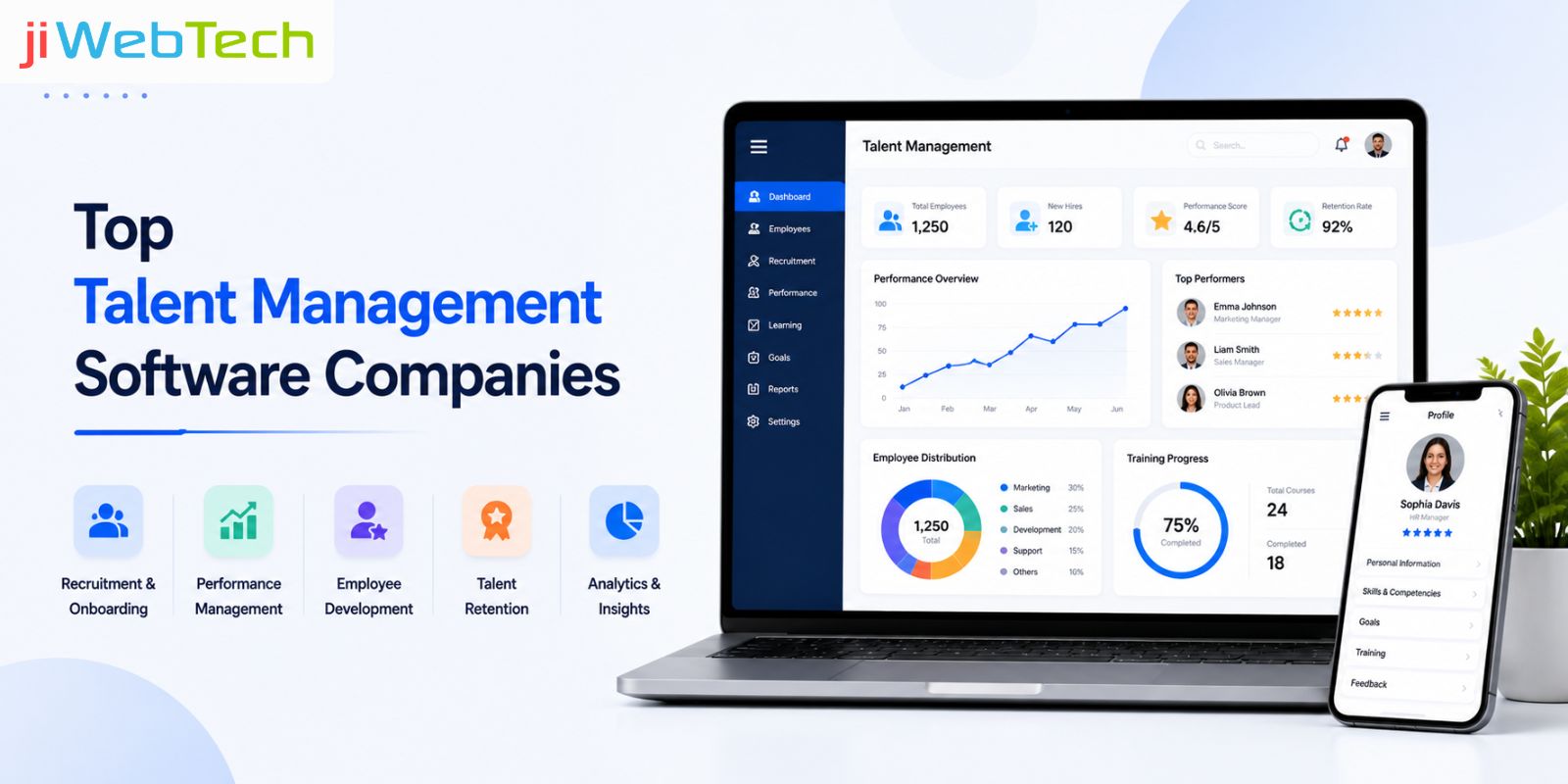
The global talent management software market is experiencing rapid growth as businesses increasingly focus on improving workforce productivity, employee engagement, and operational efficiency. According to industry reports, the market is projected to grow from USD 12.69 billion in 2026 to USD 29.48 billion by 2034, exhibiting a CAGR of 11.10% during the forecast period. This growth is driven by the rising adoption of cloud-based HR solutions, artificial intelligence, workforce analytics, and remote work management technologies.
Organizations today understand that employees are one of their most valuable assets. Managing recruitment, onboarding, training, performance evaluation, payroll, and employee retention manually can be time-consuming and inefficient. Talent management software simplifies these processes by providing centralized and automated solutions that help HR teams make better decisions while improving employee experiences.
Key Takeaways
- Talent management software automates recruitment, onboarding, payroll, and performance tracking, improving overall HR operational efficiency.
- The talent management software market will significantly grow due to increasing adoption of AI-driven HR solutions.
- Modern platforms provide workforce analytics, learning management, employee engagement, and remote workforce management capabilities efficiently.
- Businesses improve hiring, employee retention, productivity, and decision-making through advanced talent management software platforms.
- Leading companies offer scalable, cloud-based solutions helping organizations streamline workforce management and employee experiences globally.
- jiWeb Technologies delivers customized talent management software solutions tailored for modern workforce and business requirements.
Understanding Talent Management Software
Talent management software is a digital HR solution that helps businesses manage employee recruitment, onboarding, training, performance evaluation, payroll, and workforce engagement through a centralized platform. These systems improve operational efficiency, automate repetitive HR tasks, and help organizations build productive and skilled workforces.
Modern talent management platforms use cloud technology, artificial intelligence, automation, and analytics to simplify workforce management. Businesses of all sizes use these solutions to improve hiring processes, employee satisfaction, productivity, and long-term organizational growth.
Talent Management Software: Features
Talent management software is a digital solution designed to help organizations manage the complete employee lifecycle efficiently. From recruitment to retirement, these platforms automate HR operations, improve communication, and enhance workforce productivity. Businesses use these solutions to create a structured, data-driven approach to employee management.
1. Recruitment and Hiring Management
Talent management software simplifies the hiring process by automating job postings, resume screening, interview scheduling, and candidate communication. This helps HR teams identify qualified candidates quickly while improving recruitment accuracy and reducing manual administrative tasks across departments.
- Automates candidate screening processes
- Improves hiring efficiency and speed
- Reduces recruitment-related paperwork
- Enhances candidate communication experience
2. Employee Onboarding
A streamlined onboarding system helps new employees integrate into the organization more efficiently. Talent management software automates documentation, orientation schedules, training assignments, and compliance procedures, ensuring employees have a smooth transition into their new roles and responsibilities.
- Accelerates onboarding workflows
- Improves employee engagement from day one
- Reduces administrative delays
- Simplifies compliance documentation management
3. Performance Management
Performance tracking tools allow organizations to monitor employee productivity, goals, achievements, and feedback. Managers can conduct evaluations, set KPIs, and identify areas for improvement, helping businesses build a high-performing workforce with better accountability and transparency.
- Tracks employee goals and performance
- Enables real-time feedback systems
- Supports employee growth planning
- Improves productivity and accountability
4. Learning and Development
Talent management platforms often include training and learning management systems that help employees upgrade their skills. Businesses can assign courses, track learning progress, and encourage continuous professional development for better workforce performance and long-term organizational growth.
- Supports employee skill enhancement
- Encourages continuous learning culture
- Tracks training progress effectively
- Improves workforce adaptability and innovation
5. Workforce Analytics and Reporting
Advanced analytics tools provide valuable insights into employee performance, hiring trends, retention rates, and workforce productivity. Businesses can use real-time data and reports to make informed HR decisions and improve overall operational efficiency.
- Provides data-driven HR insights
- Improves workforce planning strategies
- Helps identify performance trends
- Enhances decision-making capabilities
6. Employee Engagement and Retention
Talent management software improves employee satisfaction through feedback systems, recognition programs, surveys, and communication tools. Engaged employees are more productive, motivated, and likely to stay with the organization for longer periods.
- Boosts employee morale and satisfaction
- Encourages transparent communication
- Reduces employee turnover rates
- Strengthens workplace culture and collaboration
Major Benefits of Talent Management Software Solutions
Talent management software offers businesses a centralized system for managing HR functions efficiently. These platforms improve operational productivity, reduce manual workloads, and help organizations build stronger employee relationships while maintaining compliance and workforce efficiency.
1. Improved Recruitment Efficiency
Automated recruitment features reduce the time and effort required to hire suitable candidates. HR teams can manage applications, shortlist resumes, and communicate with candidates more effectively, leading to faster and more accurate hiring decisions.
- Speeds up hiring processes
- Reduces manual recruitment tasks
- Improves candidate selection quality
- Enhances hiring team collaboration
2. Enhanced Employee Productivity
Performance tracking, training modules, and goal-setting tools help employees stay focused and motivated. Businesses can monitor productivity levels and provide timely support, resulting in improved workforce performance and organizational growth.
- Encourages employee accountability
- Improves task management efficiency
- Supports performance improvement initiatives
- Increases workforce productivity levels
3. Better Workforce Retention
Employee engagement tools, feedback systems, and career development opportunities contribute to higher job satisfaction. Organizations can identify employee concerns early and implement retention strategies to reduce turnover and improve workplace stability.
- Strengthens employee loyalty
- Reduces staff turnover expenses
- Improves workplace satisfaction
- Encourages long-term employee commitment
4. Centralized HR Operations
Talent management software consolidates recruitment, payroll, onboarding, and performance management into one platform. This centralized approach simplifies administrative processes and ensures better coordination between HR departments and management teams.
- Simplifies HR workflow management
- Reduces operational complexities
- Improves internal communication systems
- Enhances data accessibility and accuracy
5. Data-Driven Decision Making
Advanced reporting and analytics features provide actionable workforce insights. HR managers can analyze employee performance, hiring trends, and retention data to create effective business and workforce strategies.
- Supports strategic HR planning
- Improves organizational forecasting
- Provides accurate workforce insights
- Enables informed business decisions
6. Scalability for Business Growth
Modern talent management platforms are designed to support growing businesses. Companies can scale their HR operations, add new employees, and manage multiple departments efficiently without affecting productivity or operational performance.
- Supports expanding business needs
- Simplifies workforce scaling processes
- Improves operational flexibility
- Enhances long-term business efficiency
Top Talent Management Software Companies in 2026
The global talent management software market is growing rapidly as organizations seek smarter ways to manage their workforce. Leading companies are introducing AI-powered solutions, cloud-based systems, and automation technologies that improve recruitment, employee engagement, and workforce productivity. Below are some of the top talent management software companies helping businesses transform HR operations.
1. jiWeb Technologies
jiWeb Technologies is a leading talent management software company offering customized talent management software solutions for businesses across various industries. The company focuses on creating scalable, secure, and user-friendly HR management systems that streamline recruitment, employee engagement, payroll, and performance tracking processes.
Our talent management platforms are designed to improve workforce productivity while reducing operational complexities. jiWeb Technologies also integrates advanced technologies such as AI, cloud computing, and analytics to deliver intelligent HR solutions tailored to modern business requirements. Contact us to learn more.
2. Workday
Workday is one of the most recognized providers of cloud-based talent management solutions. The platform offers tools for recruitment, payroll, workforce planning, analytics, and employee engagement, helping organizations improve HR efficiency and workforce performance across global operations.
The company is known for its intuitive interface, real-time reporting capabilities, and AI-driven workforce insights. Large enterprises widely use Workday to manage employee experiences and optimize business productivity through data-driven HR strategies.
3. SAP
SAP provides comprehensive talent management solutions through SAP SuccessFactors. The platform helps businesses manage recruitment, onboarding, employee development, performance evaluations, and workforce analytics using cloud-based technologies and intelligent automation systems.
SAP’s solutions are highly scalable and suitable for enterprises managing large workforces. Its integrated HR ecosystem allows organizations to improve employee experiences while ensuring compliance, operational efficiency, and better workforce decision-making capabilities.
4. Oracle
Oracle offers advanced talent management solutions through Oracle Human Capital Management Cloud. The platform includes tools for recruiting, workforce planning, learning management, and employee performance tracking, helping organizations streamline HR operations and improve workforce productivity.
Oracle integrates artificial intelligence and automation into its HR solutions to deliver predictive analytics and personalized employee experiences. Its cloud-based infrastructure supports businesses of all sizes with scalable and secure workforce management capabilities.
5. Zoho
Zoho provides affordable and efficient HR and talent management tools through Zoho People. The platform supports attendance management, onboarding, employee self-service, performance tracking, and workforce automation for small and medium-sized businesses.
Zoho is widely recognized for its user-friendly interface, cost-effective pricing, and seamless integration with other business applications. The platform helps organizations improve operational efficiency while simplifying day-to-day HR management activities.
6. Rippling
Rippling combines HR, payroll, IT, and talent management into a single platform. Businesses can manage employee onboarding, benefits administration, device management, and workforce operations efficiently using its automated and cloud-based systems.
Rippling is known for its automation capabilities and simplified employee management processes. The platform helps companies reduce manual workloads while improving employee experiences and operational productivity across distributed work environments.
7. BambooHR
BambooHR offers an easy-to-use talent management platform designed for small and mid-sized businesses. Its solutions include applicant tracking, onboarding, employee records management, and performance evaluation tools for improving HR operations.
The company focuses on simplifying HR processes through automation and centralized employee management. BambooHR helps organizations enhance employee engagement, improve hiring efficiency, and maintain organized workforce records effectively.
8. Greenhouse
Greenhouse specializes in recruitment and hiring software that helps businesses build strong teams. The platform offers applicant tracking systems, structured interview processes, candidate sourcing, and recruitment analytics for improving hiring efficiency.
Greenhouse is popular among organizations seeking data-driven recruitment strategies and collaborative hiring processes. Its tools help companies improve candidate experiences while reducing recruitment bias and streamlining talent acquisition operations.
9. Deel
Deel provides global HR and talent management solutions for remote and international teams. The platform simplifies payroll, compliance, hiring, and contractor management for organizations operating across multiple countries.
Deel is widely used by remote-first businesses due to its international payroll capabilities and compliance management tools. The platform helps companies manage global workforces efficiently while ensuring legal and financial compliance.
10. HiBob
HiBob delivers modern HR and talent management solutions focused on employee engagement and workplace culture. The platform offers performance management, onboarding, payroll integration, and workforce analytics tools for growing businesses.
HiBob is designed to support hybrid and remote work environments while improving employee communication and collaboration. Its user-friendly interface and customizable features make it suitable for organizations seeking modern workforce management solutions.
Conclusion
Talent management software has become an essential investment for businesses looking to improve workforce productivity, employee engagement, and HR efficiency. From recruitment and onboarding to performance tracking and workforce analytics, these platforms help organizations streamline operations and create better employee experiences.
Choosing the right talent management software company depends on business size, workforce requirements, operational goals, and scalability needs. Companies that invest in modern HR technologies can improve hiring accuracy, strengthen employee retention, and build a more productive work culture.
At jiWeb Technologies, we specialize in delivering customized and scalable talent management software solutions tailored to modern business requirements. Our solutions are designed to simplify HR operations, improve workforce management, and support long-term organizational growth through advanced technologies and user-friendly platforms. With a focus on innovation, automation, and business efficiency, jiWeb Technologies helps organizations build smarter and more productive workplaces. Contact us to learn more.
Frequently Asked Questions
1. What is talent management software?
Talent management software is a digital platform that helps businesses manage recruitment, onboarding, employee performance, payroll, training, and workforce analytics through a centralized system.
- Automates HR processes
- Improves employee management
- Enhances workforce productivity
- Supports data-driven HR decisions
2. Why do businesses need talent management software?
Businesses use talent management software to simplify HR operations, improve recruitment efficiency, increase employee engagement, and reduce administrative workloads while improving overall organizational productivity.
- Streamlines HR tasks
- Improves employee experiences
- Enhances recruitment processes
- Supports business scalability
3. What features should businesses look for in talent management software?
Organizations should consider features such as recruitment management, onboarding, payroll integration, performance tracking, analytics, employee engagement tools, and cloud accessibility when selecting a platform.
- Recruitment automation
- Employee performance management
- Reporting and analytics
- Cloud-based accessibility
4. How does talent management software improve employee retention?
The software improves employee retention by enhancing communication, offering career development opportunities, enabling regular feedback, and creating better employee engagement strategies.
- Encourages employee growth
- Supports transparent communication
- Improves workplace satisfaction
- Reduces employee turnover
5. Is talent management software suitable for small businesses?
Yes, many talent management platforms are designed specifically for startups and small businesses, offering affordable pricing, scalable features, and simplified HR management tools.
- Affordable HR solutions
- Scalable for growing businesses
- Easy-to-use interfaces
- Improves operational efficiency
6. Can talent management software support remote workforces?
Modern talent management platforms provide cloud-based access, communication tools, remote onboarding, and performance tracking features that help businesses manage remote and hybrid teams efficiently.
- Supports remote collaboration
- Enables virtual onboarding
- Improves workforce tracking
- Simplifies remote HR operations