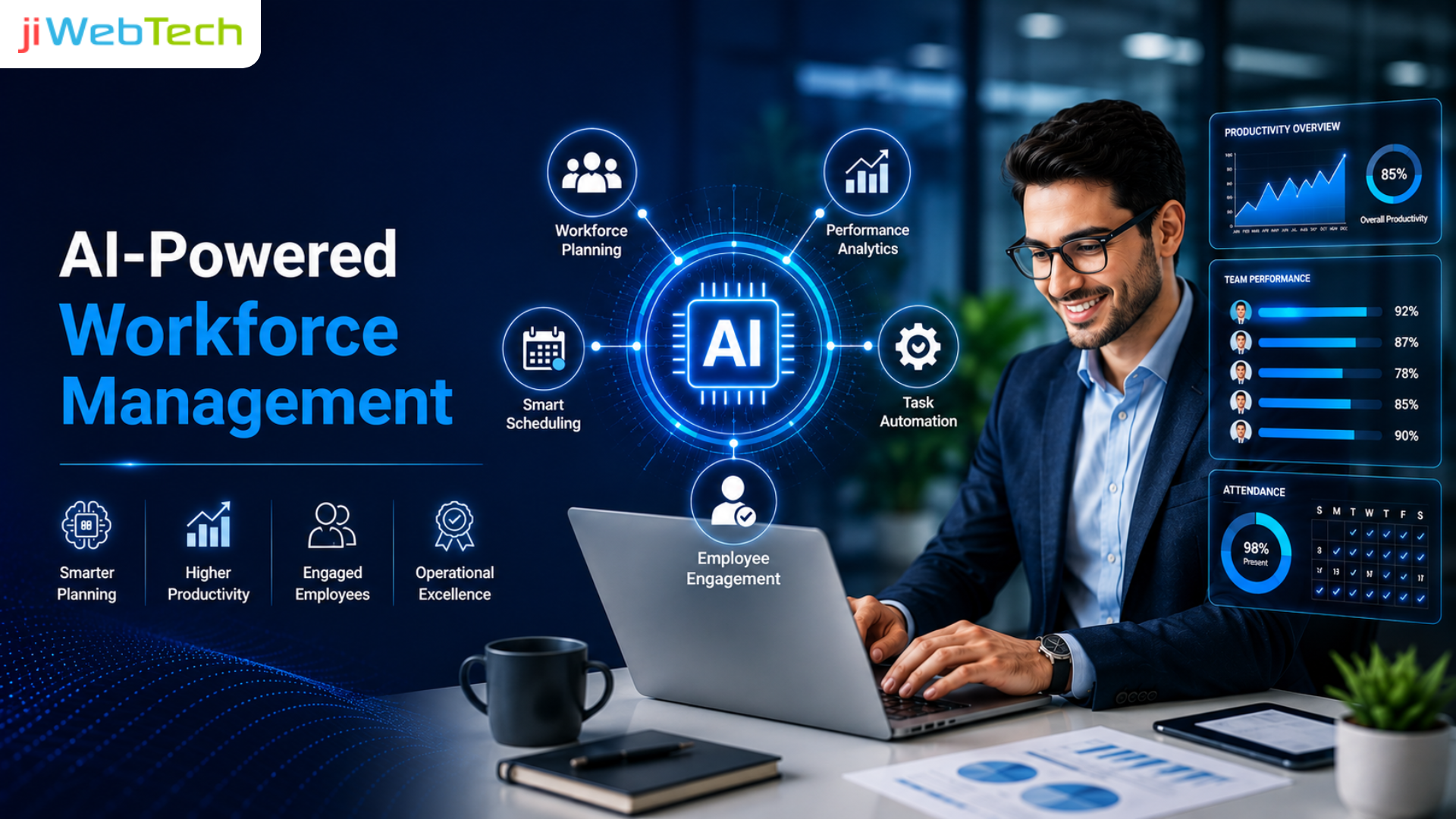
Artificial Intelligence (AI) is transforming the way businesses manage their workforce. From automating repetitive HR tasks to improving employee engagement and productivity, AI-powered workforce management solutions are helping organizations streamline operations and make smarter business decisions. As companies continue to adopt remote and hybrid work models, the demand for intelligent workforce management systems is rapidly growing.
AI-driven workforce management combines technologies such as machine learning, predictive analytics, automation, and data intelligence to optimize scheduling, monitor employee performance, improve communication, and enhance operational efficiency. Businesses across industries are leveraging AI to reduce costs, increase productivity, and create a more employee-centric workplace.
According to market research, the global AI in workforce management market is expected to grow significantly over the next few years due to increasing digital transformation initiatives and the need for efficient workforce planning. Organizations that adopt AI-based workforce solutions gain a competitive edge by improving employee satisfaction, reducing administrative workload, and enabling data-driven decision-making.
Key Takeaways
AI-powered workforce management automates repetitive HR and administrative tasks.
Businesses can improve employee productivity through intelligent scheduling and performance insights.
AI enhances remote and hybrid workforce management with real-time monitoring and collaboration tools.
Predictive analytics helps organizations optimize workforce planning and reduce operational costs.
AI-driven systems improve employee engagement, satisfaction, and retention.
Investing in AI workforce management solutions provides long-term business growth and scalability.
The Role of AI in Remote and Hybrid Workforce Management
As remote and hybrid work models continue to grow, businesses are increasingly turning to AI-powered workforce management solutions to improve collaboration, productivity, and operational efficiency. Managing distributed teams can be challenging due to communication gaps, inconsistent workflows, scheduling conflicts, and reduced visibility into employee performance. AI helps organizations overcome these challenges by automating workforce processes and providing real-time insights that support smarter decision-making.
AI-driven workforce management tools enable businesses to monitor employee productivity, track attendance, optimize schedules, and streamline task allocation across remote and hybrid environments. These intelligent systems analyze employee work patterns, identify performance trends, and recommend strategies to improve efficiency while maintaining work-life balance.
In remote workplaces, AI-powered collaboration tools help teams stay connected through automated reminders, smart meeting scheduling, virtual assistants, and workflow automation. For hybrid teams, AI ensures better coordination between in-office and remote employees by balancing workloads, managing shift schedules, and improving communication across departments.
Additionally, AI enhances employee engagement by offering personalized learning recommendations, performance feedback, and predictive analytics that help managers identify burnout risks or productivity issues before they impact business operations. By leveraging AI in workforce management, companies can create a more flexible, productive, and employee-centric work environment that supports long-term business growth.
Benefits of AI Workforce Management for HR Teams and Businesses
AI workforce management solutions are transforming how HR teams and businesses manage employees, optimize operations, and improve productivity. By automating repetitive tasks, analyzing workforce data, and enhancing decision-making, AI enables organizations to build more efficient, agile, and employee-focused workplaces. These intelligent systems help businesses reduce operational costs, improve employee engagement, and streamline workforce planning while allowing HR professionals to focus on strategic business growth and talent development.
1. Improved Employee Productivity
AI tools help employees prioritize tasks, manage schedules, and reduce time spent on repetitive activities. By automating routine processes and improving workflow efficiency, businesses can enhance employee performance, increase productivity levels, and ensure better utilization of workforce resources across departments.
Automates repetitive tasks
Improves workflow efficiency
Enhances task management
Increases overall performance
2. Automated HR Operations
AI simplifies administrative HR tasks such as attendance tracking, payroll processing, leave management, and employee onboarding. Automation reduces manual errors, saves valuable time, and allows HR teams to focus more on employee engagement, strategic planning, and organizational development initiatives.
Simplifies payroll processing
Automates attendance tracking
Reduces manual errors
Saves HR teams valuable time
3. Smarter Workforce Planning
AI-powered analytics help businesses forecast staffing needs, identify workforce trends, and optimize resource allocation. These insights enable HR managers to make data-driven decisions, improve workforce efficiency, and ensure the right employees are assigned to the right tasks at the right time.
Forecasts staffing requirements
Optimizes resource allocation
Improves workforce efficiency
Supports data-driven decisions
4. Enhanced Employee Engagement
AI systems monitor employee satisfaction, collect feedback, and provide personalized recommendations to improve workplace experiences. Businesses can use these insights to boost employee morale, reduce turnover rates, and create a more supportive and productive work environment for their teams.
Collects employee feedback
Improves workplace satisfaction
Reduces employee turnover
Boosts team morale
5. Better Decision-Making with Real-Time Insights
AI provides real-time workforce data and performance analytics that help businesses make faster and more informed decisions. HR teams can identify productivity gaps, monitor employee performance, and implement proactive strategies to improve operational efficiency and workforce management.
Tracks workforce performance
Identifies productivity gaps
Provides real-time analytics
Supports faster business decisions
6. Reduced Operational Costs
By automating repetitive processes and improving workforce efficiency, AI helps businesses reduce administrative expenses and operational inefficiencies. Organizations can save time, minimize human errors, and optimize labor costs while maintaining higher productivity and better overall business performance.
Minimizes administrative expenses
Reduces operational inefficiencies
Improves resource utilization
Increases cost-effectiveness
7. Remote and Hybrid Workforce Management
AI-powered tools improve communication, scheduling, and collaboration among remote and hybrid teams. Businesses can effectively track employee productivity, manage workloads, and maintain seamless coordination between in-office and remote employees for improved operational continuity.
Enhances team collaboration
Improves remote communication
Optimizes workload distribution
Supports flexible work models
8. Personalized Employee Training
AI analyzes employee skills, performance levels, and learning needs to recommend personalized training programs. This helps businesses improve employee capabilities, support career growth, and ensure teams remain updated with evolving industry trends and technological advancements.
Recommends customized training
Identifies skill gaps
Supports career development
Enhances employee capabilities
Best Practices for Successfully Integrating AI into Workforce Management
Integrating AI into workforce management can significantly improve productivity, operational efficiency, and employee satisfaction when implemented strategically. Businesses must adopt a well-planned approach to ensure smooth AI adoption, minimize disruptions, and maximize return on investment. From selecting the right AI tools to training employees and maintaining data security, following best practices helps organizations successfully leverage AI technologies for smarter workforce management and long-term business growth.
1. Define Clear Business Goals
Before implementing AI solutions, businesses should identify specific workforce challenges and objectives they want to achieve. Clear goals help organizations choose the right AI tools, measure performance outcomes, and ensure the technology aligns with overall business and workforce management strategies.
Identify workforce challenges
Set measurable objectives
Align AI with business goals
Track implementation success
2. Choose the Right AI Tools and Technologies
Selecting the right AI-powered workforce management platform is essential for successful implementation. Businesses should evaluate features, scalability, integration capabilities, and user-friendliness to ensure the chosen solution meets organizational requirements and supports future business growth effectively.
Evaluate software features
Ensure easy system integration
Focus on scalability
Prioritize user-friendly platforms
3. Train Employees and HR Teams
Proper training helps employees and HR professionals understand how to use AI tools efficiently. Businesses should provide ongoing learning opportunities and technical support to ensure teams can adapt to new technologies and maximize the benefits of AI-driven workforce management systems.
Conduct employee training programs
Offer continuous learning support
Improve AI tool adoption
Enhance workforce adaptability
4. Maintain Data Privacy and Security
AI systems rely heavily on workforce data, making security and compliance essential. Businesses must implement strong cybersecurity measures, protect sensitive employee information, and ensure compliance with labor laws and data protection regulations to maintain trust and operational integrity.
Protect employee data
Implement cybersecurity measures
Ensure legal compliance
Maintain data transparency
5. Start with Small-Scale Implementation
Businesses should begin AI integration with pilot projects or smaller departments before full-scale deployment. This approach helps organizations identify potential challenges, test system performance, and make necessary improvements while reducing operational risks during implementation.
Launch pilot projects
Test AI system performance
Identify improvement areas
Minimize implementation risks
6. Monitor Performance Continuously
AI workforce management systems should be monitored regularly to evaluate performance and effectiveness. Businesses need to analyze workforce data, gather employee feedback, and continuously optimize AI processes to improve operational efficiency and employee productivity over time.
Track AI performance metrics
Collect employee feedback
Optimize workforce processes
Improve system efficiency
Why Investing in AI Workforce Management Is a Smart Business Decision
Investing in AI-powered workforce management solutions has become a strategic business decision for organizations aiming to improve productivity, reduce operational costs, and enhance employee experiences. As workplaces become more digital and dynamic, businesses need intelligent systems that can automate repetitive tasks, optimize workforce planning, and support data-driven decision-making.
AI workforce management not only improves operational efficiency but also helps businesses remain competitive, agile, and future-ready in an evolving market landscape.
1. Boosts Operational Efficiency
AI automates routine workforce management tasks such as scheduling, attendance tracking, payroll processing, and reporting. This reduces manual workload, improves workflow efficiency, and allows businesses to focus more on strategic operations and long-term organizational growth.
Automates repetitive tasks
Streamlines daily operations
Improves workflow management
Saves valuable business time
2. Improves Employee Productivity
AI-powered tools help employees manage tasks more efficiently by optimizing schedules, reducing administrative work, and improving collaboration. Businesses can increase workforce productivity while ensuring employees remain focused on high-value and business-critical activities.
Enhances task management
Reduces manual workload
Supports better collaboration
Increases workforce performance
3. Reduces Business Costs
AI minimizes operational inefficiencies and lowers administrative expenses through automation and smarter workforce planning. Businesses can optimize labor costs, reduce human errors, and improve resource utilization while maintaining higher levels of productivity and service quality.
Minimizes operational expenses
Reduces human errors
Optimizes labor costs
Improves resource allocation
4. Enhances Decision-Making with Data Insights
AI systems provide real-time analytics and workforce insights that support faster and smarter business decisions. Managers can monitor employee performance, identify productivity trends, and make proactive decisions to improve workforce efficiency and operational outcomes.
Provides real-time analytics
Identifies workforce trends
Supports strategic planning
Improves business decisions
5. Supports Remote and Hybrid Work Models
AI workforce management solutions improve communication, scheduling, and team coordination for remote and hybrid workplaces. Businesses can maintain productivity, track workforce performance, and ensure seamless collaboration across distributed teams and departments.
Enhances remote collaboration
Improves workload management
Supports flexible workplaces
Maintains operational continuity
6. Enables Smarter Workforce Planning
AI-powered predictive analytics help businesses forecast staffing needs, manage workloads, and allocate resources effectively. Organizations can prepare for future workforce demands while improving efficiency and ensuring better alignment with business objectives.
Forecasts staffing requirements
Optimizes workforce allocation
Improves resource planning
Supports future business growth
Future Trends in AI-Powered Workforce Management
As businesses continue to embrace digital transformation, AI-powered workforce management is becoming more intelligent, predictive, and employee-focused. From automated scheduling to advanced analytics, AI is helping organizations improve productivity, reduce operational costs, and create better employee experiences.
Predictive Workforce Analytics
AI-powered analytics tools will help businesses forecast staffing needs, employee performance, and turnover risks more accurately. Companies can use real-time insights to make proactive workforce decisions, improve productivity, and reduce operational disruptions while ensuring better resource allocation across departments.
AI-Driven Employee Engagement
Future workforce management systems will focus heavily on employee satisfaction and engagement. AI tools will monitor employee feedback, work patterns, and productivity trends to recommend personalized learning opportunities, wellness programs, and career development strategies that improve retention and workplace morale.
Smarter Scheduling and Shift Management
AI-based scheduling systems will automatically create optimized work schedules based on employee availability, workload, and business demands. This will reduce scheduling conflicts, improve operational efficiency, and ensure fair workload distribution, especially in industries with dynamic staffing requirements.
Remote and Hybrid Workforce Management
As remote and hybrid work models continue to grow, AI will play a key role in tracking productivity, collaboration, and performance. Businesses will use AI-powered tools to streamline communication, monitor workflows, and maintain employee accountability across distributed teams.
Personalized Learning Programs
AI will help organizations identify skill gaps and recommend customized training programs for employees. Businesses can use intelligent learning platforms to improve workforce capabilities, prepare employees for future roles, and support continuous professional development in rapidly changing industries.
Conclusion
AI-powered workforce management is revolutionizing the way businesses manage employees, optimize operations, and improve overall productivity. From smart scheduling and predictive analytics to automated HR processes and personalized employee experiences, AI is helping organizations work more efficiently in an increasingly competitive market. Businesses that adopt AI-driven workforce management solutions can reduce operational costs, enhance employee engagement, and make data-driven decisions faster.
At jiWebTech, we help businesses leverage advanced AI technologies to optimize workforce management processes and drive digital transformation. Our innovative AI-powered solutions are designed to improve efficiency, enhance decision-making, and support long-term business growth. Whether you want to automate HR operations, improve workforce productivity, or build intelligent business systems, jiWebTech delivers customized solutions tailored to your business needs.
Frequently Asked Questions
1. What is AI-powered workforce management?
AI-powered workforce management uses artificial intelligence technologies to automate and optimize workforce-related processes such as scheduling, attendance tracking, employee monitoring, performance analysis, and workforce planning. It helps businesses improve productivity, reduce operational costs, and make smarter decisions using real-time data insights.
Automates workforce operations
Improves employee productivity
Supports smarter decision-making
Enhances operational efficiency
2. How does AI improve employee productivity?
AI improves employee productivity by automating repetitive tasks, optimizing schedules, reducing administrative workload, and helping employees focus on high-priority activities. AI tools also provide real-time performance insights that help managers improve team efficiency and overall workforce performance.
Reduces manual tasks
Improves task management
Enhances workflow efficiency
Increases employee performance
3. Can AI workforce management support remote and hybrid teams?
Yes, AI-powered workforce management solutions are highly effective for managing remote and hybrid teams. They improve communication, automate scheduling, track employee performance, and ensure seamless collaboration between remote and in-office employees for better operational efficiency.
Supports remote collaboration
Improves team communication
Optimizes hybrid work management
Enhances workforce coordination
4. What are the key benefits of AI workforce management for businesses?
AI workforce management helps businesses improve efficiency, reduce operational costs, enhance employee engagement, and make data-driven decisions. It also streamlines HR operations, improves workforce planning, and supports long-term business growth through automation and intelligent analytics.
Reduces business costs
Improves workforce efficiency
Enhances employee engagement
Supports business growth
5. Is AI workforce management suitable for small businesses?
Yes, AI workforce management solutions can benefit businesses of all sizes, including small businesses. AI tools help smaller organizations automate HR tasks, optimize workforce operations, improve employee productivity, and reduce manual workloads without requiring large administrative teams.
Automates HR operations
Saves business time
Reduces manual workload
Improves operational efficiency
6. How does AI help HR teams in workforce management?
AI helps HR teams by automating repetitive tasks such as payroll, attendance tracking, recruitment, and employee onboarding. It also provides workforce analytics and predictive insights that help HR professionals improve decision-making and employee management strategies.
Simplifies HR processes
Improves workforce analytics
Reduces administrative errors
Enhances employee management