In today’s fast-moving digital marketplace, businesses are constantly looking for smarter and more impactful ways to capture attention, communicate their message, and create meaningful customer experiences. Traditional advertising methods such as printed posters, static banners, and flyers still have their place, but they often fall short in a world where customers expect dynamic, interactive, and visually engaging content. This is where digital signage systems are transforming the landscape.
From retail stores and restaurants to corporate offices, healthcare facilities, educational institutions, hotels, and public spaces, digital signage has become a powerful communication and advertising tool. Businesses are increasingly using digital signage systems to deliver real-time promotions, showcase products and services, improve customer experiences, and strengthen brand engagement. Unlike static displays, digital signage allows businesses to update content instantly, personalize messaging, and use motion, video, and interactive elements to hold attention far more effectively.
Key Takeaways
• Digital signage systems make advertising more dynamic, eye-catching, and memorable than traditional static displays.
• They allow businesses to update promotional content in real time, making campaigns more flexible and cost-effective.
• Digital signage improves customer engagement by using video, animation, and visual storytelling to create richer brand experiences.
• Businesses can deliver more relevant and targeted messages by scheduling content based on time, location, or customer behavior.
• Digital signage enhances the in-store or on-site customer experience by combining useful information with promotional messaging.
What Are Digital Signage Systems?
Digital signage systems are electronic display solutions used to present multimedia content such as images, videos, announcements, menus, advertisements, live feeds, and interactive messages on digital screens. These systems typically include hardware such as LED or LCD displays, media players, mounting solutions, and software for content management and scheduling.
Businesses can manage content remotely, schedule different messages at different times, display targeted promotions, and even integrate real-time data such as weather, social media feeds, product availability, or customer queue updates.
This flexibility makes digital signage one of the most efficient tools for modern business communication. It is not just about displaying content, it is about delivering the right message, in the right format, at the right time, to the right audience.
Why Digital Signage Is Reshaping Modern Advertising
Advertising has evolved significantly over the last decade. Consumers are exposed to thousands of messages every day, which makes attention increasingly difficult to earn. Static signs and printed advertisements often blend into the background, while dynamic digital displays naturally stand out.
Digital signage improves advertising by making it more vivid, adaptable, and memorable. Movement attracts the eye, video tells a story faster than text, and bright visuals create stronger emotional and psychological responses. This means businesses can deliver messages that are more likely to be noticed, understood, and remembered.
Additionally, digital signage allows for quick campaign adjustments. If a business wants to promote a flash sale, highlight a seasonal offer, or respond to changing customer behavior, the content can be updated instantly without the cost and delay of reprinting materials. This agility is especially valuable in industries where promotions change frequently or timing is critical.
Capturing Attention:
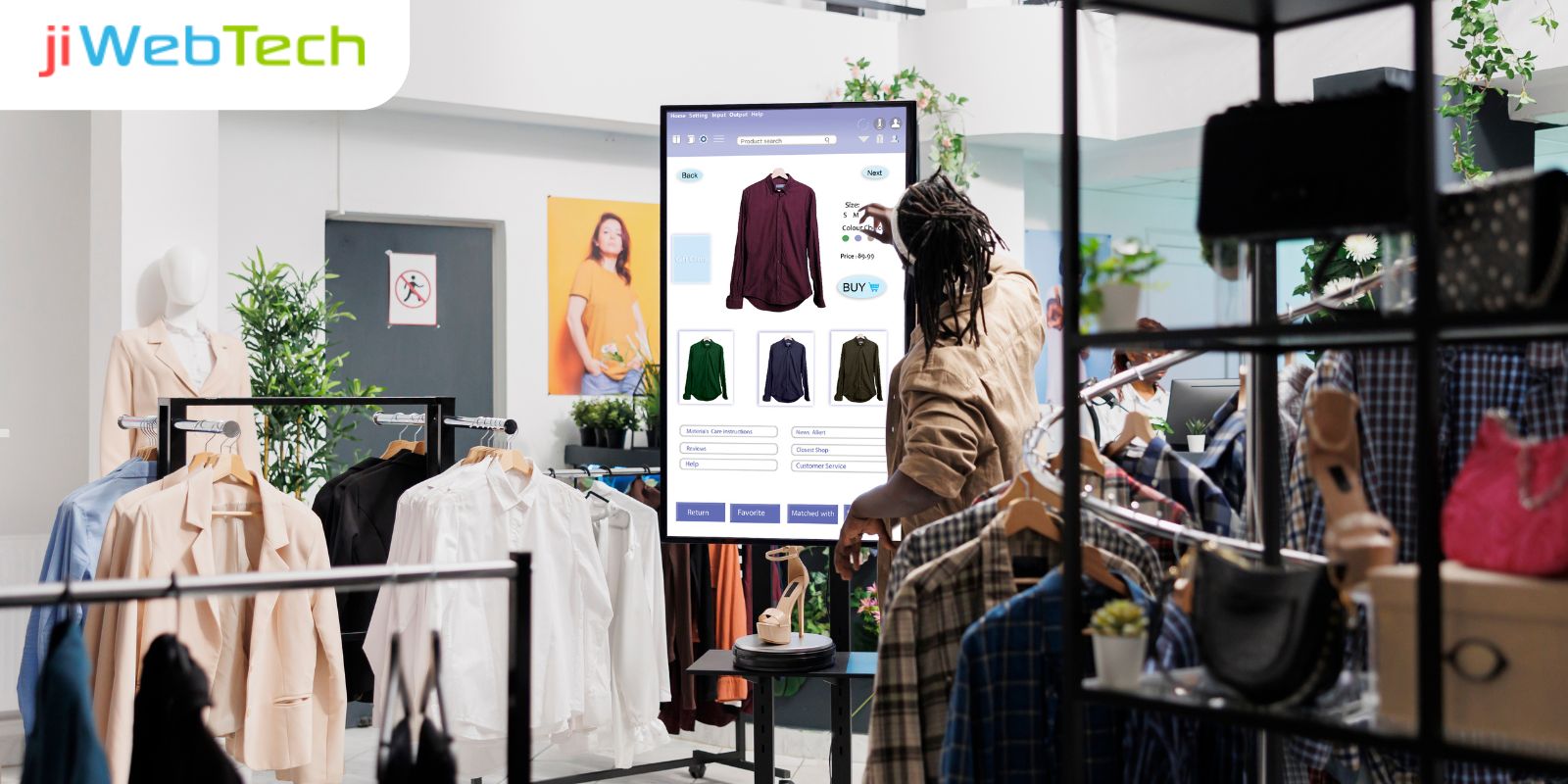
One of the biggest advantages of digital signage systems is their ability to capture attention in busy, competitive spaces. In retail stores, malls, airports, restaurants, hotels, and event venues, customers are surrounded by visual stimuli. In these environments, businesses need something that can stand out immediately.
Digital screens naturally attract the eye because they incorporate motion, transitions, color contrast, and multimedia. Even a simple rotating display of promotions can draw more attention than a static poster. When used strategically, digital signage can direct foot traffic, highlight offers, and influence customer decisions in real time.
Real-Time Promotional Content:
One of the most powerful ways digital signage improves advertising is by enabling real-time content delivery. Traditional print advertising is fixed until it is physically replaced. Digital signage, on the other hand, allows businesses to change messaging instantly based on time, audience, events, or inventory.
Real-time content control is especially useful for businesses that want to stay agile. If a product is out of stock, the promotion can be changed immediately. If a sale is extended, the content can be updated in seconds. If customer traffic patterns change, the message can be adjusted accordingly.
This level of responsiveness helps businesses make their advertising more timely, relevant, and cost-effective.
Enhancing Customer Engagement:
Customer engagement is not just about getting attention, it is about keeping it long enough to create interest, emotional connection, and action. Digital signage excels in this area because it enables businesses to use visual storytelling.
Instead of simply displaying text or a single image, digital signage can combine product visuals, videos, brand narratives, animations, testimonials, and interactive elements to create a richer experience. This allows businesses to communicate more information in less time while making the message more compelling.
When customers engage with content that feels informative, entertaining, or emotionally relevant, they are more likely to remember the brand and respond positively. This is where digital signage becomes more than advertising, it becomes an experience.
Personalized Customer Communication:
Another major strength of digital signage systems is the ability to tailor messages based on context. While not every deployment requires advanced personalization, even basic scheduling and audience targeting can significantly improve results.
Businesses can schedule different content for different times of day, customer segments, store locations, or events. For instance, a café near an office district might display breakfast offers in the morning and snack promotions in the late afternoon. A clothing store in a mall may show family-oriented offers on weekends and workwear promotions on weekdays.
Reducing Long-Term Advertising Costs:
While digital signage requires an upfront investment in hardware and software, it can significantly reduce advertising costs over time.
Traditional print materials need to be designed, printed, distributed, and replaced repeatedly. For businesses that frequently update promotions, menus, announcements, or seasonal campaigns, these recurring costs can add up quickly. There is also the time and labor involved in manually replacing physical signage.
Digital signage eliminates much of this repetition. Once the system is in place, content can be updated remotely and reused in multiple formats. One campaign can be deployed across multiple screens or locations with minimal extra effort. Businesses can test different messages without additional printing costs, and they can make instant changes without wasting materials.
Why Businesses Are Investing in Advanced Digital Signage Solutions
1. Real-Time Content Updates:
One of the main reasons businesses are investing in advanced digital signage solutions is the ability to update content instantly and efficiently. Unlike traditional printed signage, digital displays allow businesses to change advertisements, announcements, menus, offers, or promotional messages in real time. This flexibility is especially useful for companies that run seasonal campaigns, flash sales, event promotions, or time-sensitive announcements. Businesses no longer need to spend time and money reprinting materials whenever a message changes. Instead, content can be scheduled or modified remotely within minutes. This makes digital signage a highly adaptable communication tool that helps businesses stay responsive to customer behavior, market trends, and changing operational needs.
2. Enhanced Customer Engagement:
Advanced digital signage solutions help businesses capture and maintain customer attention through visually engaging content. Static posters and banners can easily go unnoticed, especially in busy environments where customers are exposed to multiple messages. Digital signage stands out because it uses motion, animation, videos, transitions, and high-quality graphics that naturally draw the eye. These dynamic visuals make promotions more appealing and brand messages more memorable. Businesses can use this advantage to showcase products, demonstrate services, highlight testimonials, or present offers in a more compelling way.
3. Cost-Effective Advertising:
Although digital signage requires an initial investment, many businesses see it as a cost-effective solution in the long run. Traditional advertising methods often involve repeated expenses for printing, installation, replacement, and distribution of materials. For businesses that frequently change promotions or operate across multiple locations, these recurring costs can become significant over time. Digital signage reduces that burden by allowing content to be updated digitally without the need for physical replacements. Once the system is in place, businesses can reuse, repurpose, and schedule content as needed, making campaigns more efficient and less expensive to manage.
4. Centralized Content Management:
For businesses with multiple branches, outlets, or office spaces, maintaining consistent communication can be challenging. Advanced digital signage systems solve this problem by offering centralized content management. This means businesses can control and update content across all digital screens from a single platform or dashboard. Whether it is launching a new campaign, sharing a company-wide announcement, or updating promotional content, everything can be managed remotely and distributed instantly across multiple locations. At the same time, businesses can still customize content for specific branches if needed. This level of control ensures consistency in branding and messaging while saving time and simplifying operations. It also makes digital signage especially valuable for growing businesses that need scalable communication solutions.
5. Scalable and Future-Ready Communication:
Businesses are also investing in advanced digital signage because it offers a scalable and future-ready approach to communication. As a business expands, its communication needs become more complex. It may need to reach larger audiences, manage more locations, support new campaigns, or integrate with other digital systems. Advanced digital signage is built to grow with the business. It can be expanded from a single screen setup to a multi-location network and can often integrate with tools such as content management systems, analytics platforms, inventory systems, or customer engagement software.
Cost to Develop a Digital Signage System
When planning to invest in digital signage, one of the most common questions businesses have is about the overall development cost. The cost to develop a digital signage system can vary significantly depending on several factors such as hardware requirements, software complexity, number of screens, customization level, and integration needs.
Unlike traditional advertising setups, digital signage involves both initial investment and ongoing costs. However, it is important to understand that while the upfront cost may seem higher, the long-term benefits such as reduced printing costs, real-time updates, and improved customer engagement make it a highly cost-effective solution.
Factors Affecting the Cost of Digital Signage Systems
Before looking at the cost breakdown, it is important to understand what influences the pricing:
- Number and Type of Displays: LED, LCD, touchscreens, or video walls
- Content Management Software (CMS): Basic or advanced cloud-based systems
- Media Players: Devices used to run content on screens
- Installation and Setup: Mounting, wiring, and configuration
- Custom Development: Integration with CRM, POS, or analytics tools
- Maintenance and Support: Ongoing updates and technical support
Estimated Cost Breakdown of Digital Signage Systems
Below is a general cost estimation to help businesses understand the investment required:
Component | Estimated Cost (USD) | Description |
|---|---|---|
Digital Display Screens | $300 – $2,500 per screen | Cost depends on size, resolution, and type (LED/LCD/Touchscreen) |
Media Player | $100 – $500 per device | Hardware to run and manage content on displays |
Content Management Software | $10 – $100/month per screen | Cloud-based or licensed CMS for content scheduling and control |
Installation and Setup | $100 – $1,000 | Includes mounting, wiring, and configuration |
Custom Development & Integration | $1,000 – $10,000+ | Advanced features like API integrations, automation, or analytics |
Content Creation | $200 – $2,000 | Designing videos, animations, and promotional creatives |
Maintenance & Support | $50 – $300/month | Ongoing technical support and system updates |
Total Estimated Cost
- Basic Setup (1–2 screens): $500 – $3,000
- Medium Setup (Multiple screens, basic CMS): $3,000 – $10,000
- Advanced Enterprise Setup: $10,000 – $50,000+
Why Businesses Need the Right Technology Partner
The success of a digital signage strategy depends not only on the screens but also on the planning, software, content structure, and system integration behind it. That is why choosing the right technology partner is essential.
A trusted provider can help you identify the right display solutions, recommend the best content management system, ensure reliable installation, and design a scalable setup that fits your business goals. They can also support you with customization, maintenance, updates, and future expansion. Digital signage is most effective when it is aligned with your brand strategy and customer journey. A professional technology partner ensures that your investment delivers real business value, not just digital screens on the wall.
Conclusion
At jiWeb Technologies, we believe that modern businesses need smarter, faster, and more engaging ways to connect with their audiences, and digital signage systems have become one of the most effective tools for achieving that goal. In a competitive marketplace where attention is limited and customer expectations continue to rise, static advertising is no longer enough. Businesses need communication solutions that are dynamic, flexible, visually compelling, and capable of delivering real-time value.
As a trusted technology partner, jiWeb Technologies helps businesses implement powerful and reliable digital signage solutions tailored to their unique goals. From planning and deployment to content strategy, software integration, and long-term support, we focus on delivering digital signage systems that not only look impressive but also drive measurable business results. Contact us to learn more.
Frequently Asked Questions
1. What is a digital signage system and how does it work?
A digital signage system is a network of digital displays used to show multimedia content such as advertisements, announcements, videos, menus, and promotional messages. It usually includes display screens, media players, and content management software.
2. How does digital signage improve advertising for businesses?
Digital signage improves advertising by making it more dynamic, flexible, and visually engaging. Unlike static posters, it allows businesses to deliver eye-catching content that can be changed instantly based on promotions, timing, or audience needs. It improves advertising by:
• Displaying moving visuals, videos, and animations that attract more attention
• Allowing real-time updates for promotions and offers
• Reducing the need for repeated printing and replacement costs
• Supporting multi-location campaign management
• Helping businesses test and optimize messages more efficiently
3. Which industries benefit the most from digital signage systems?
Digital signage can benefit almost any industry that interacts with customers, visitors, or employees. It is especially valuable in environments where communication, promotion, and customer engagement are important.
Common industries that benefit include:
• Retail stores and shopping malls
• Restaurants and cafés
• Hotels and hospitality businesses
• Healthcare clinics and hospitals
• Corporate offices and enterprise spaces
• Educational institutions
• Airports, transportation hubs, and public venues
4. Is digital signage cost-effective for small businesses?
Yes, digital signage can be cost-effective for small businesses, especially over the long term. While there is an initial investment in screens and software, it can reduce ongoing print costs, make promotions easier to manage, and provide more flexibility in advertising. Small businesses can start with a simple setup and scale as needed, making it a practical option for both growth and branding.
5. Why should businesses work with a professional digital signage solutions provider?
Working with a professional provider ensures that your digital signage system is designed strategically, installed correctly, and aligned with your business goals. A reliable technology partner can help you choose the right hardware, software, content approach, and integration model while also providing maintenance and support.