In today's fast-paced digital economy, effective communication is no longer just a business necessity, it is a competitive advantage. Whether it is collaborating with remote teams, serving customers across multiple channels, or streamlining internal operations, businesses need communication systems that are fast, reliable, and scalable. Traditional communication methods often create silos, delay decision-making, and limit customer engagement, making it difficult for organizations to keep up with growing expectations.
Modern communication solutions, such as jiPBX, jiRTC, VoIP, Unified Communications (UC), video conferencing, instant messaging, AI-powered customer support, and omnichannel communication platforms, have transformed the way businesses operate. These technologies enable employees to collaborate seamlessly, automate repetitive communication tasks, reduce operational costs, and deliver exceptional customer experiences. By integrating voice, video, messaging, and collaboration tools into a single platform, organizations can improve productivity while ensuring customers receive timely and personalized support.
Key Takeaways
- Modern communication solutions streamline collaboration across teams and departments.
- Unified communication platforms improve employee productivity and operational efficiency.
- Omnichannel communication enhances customer engagement and satisfaction.
- Cloud-based communication systems reduce infrastructure and maintenance costs.
- AI-powered communication tools automate routine tasks and improve response times.
- Scalable communication solutions support business growth and remote workforce management.
Unified Communication Platforms: The Foundation of Business Productivity
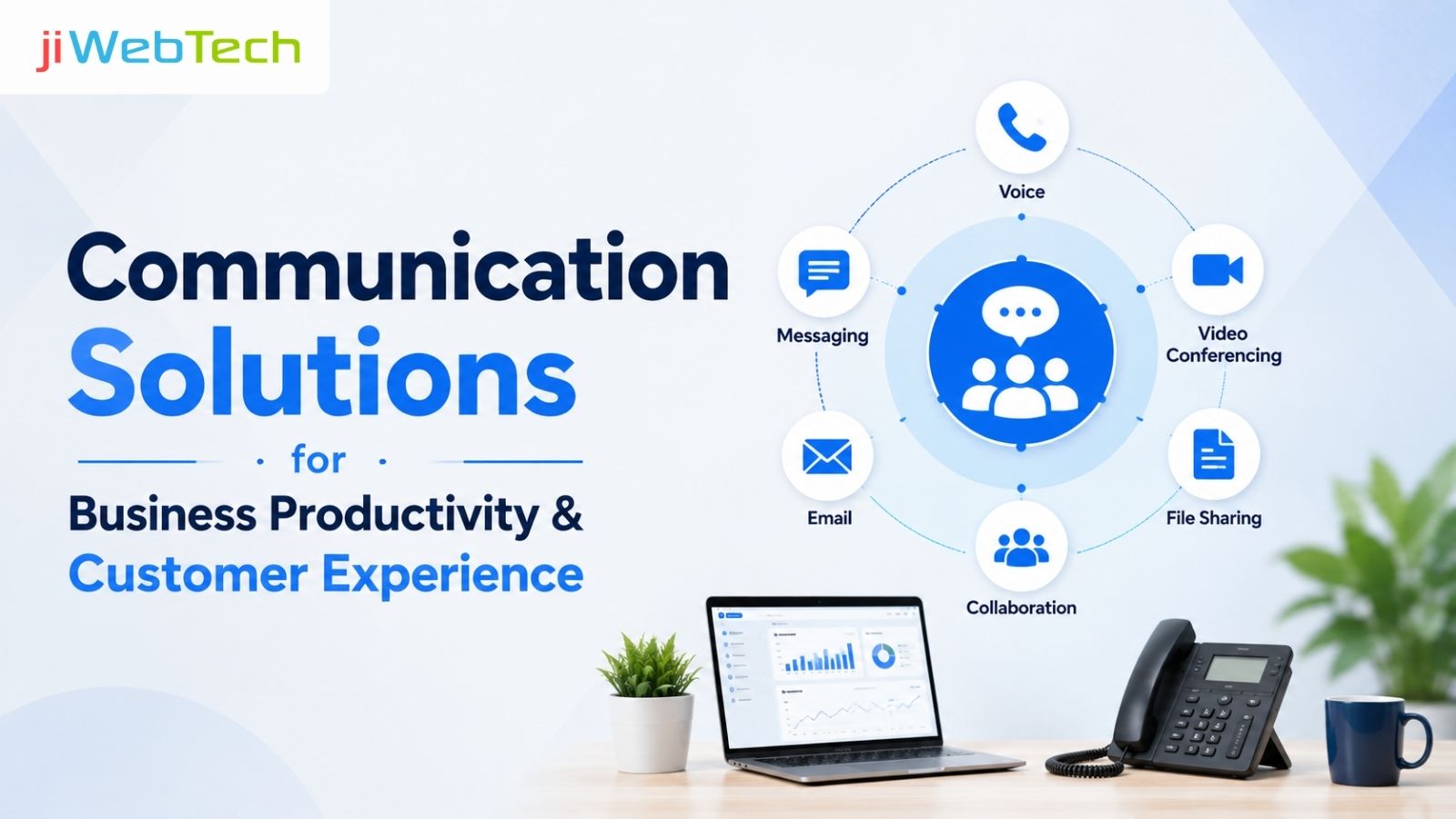
Modern businesses depend on a wide range of communication channels, including phone calls, emails, instant messaging, video conferencing, file sharing, and collaborative workspaces. When these tools operate independently, employees often waste valuable time switching between platforms, searching for information, or managing disconnected conversations. By streamlining internal and external communication, businesses can improve operational efficiency, strengthen teamwork, accelerate decision-making, and create a more connected workplace.
1. Centralized Communication Management
A unified communication platform brings all essential business communication tools into one place, helping employees collaborate more efficiently. It simplifies daily operations by reducing the need to switch between multiple applications.
- Integrates voice calls, messaging, video meetings, email, and file sharing in one platform.
- Reduces distractions by eliminating constant app switching.
- Simplifies communication workflows across departments.
- Provides better visibility, easier management, and a consistent user experience.
2. Faster Team Collaboration
Real-time communication enables teams to connect instantly, share updates, and make faster decisions. It improves coordination between departments and keeps projects moving without unnecessary delays.
- Supports instant messaging, group chats, and video conferencing.
- Enables quick file sharing and real-time project discussions.
- Speeds up decision-making by reducing communication delays.
- Improves teamwork and coordination across different departments.
3. Remote and Hybrid Workforce Support
Modern communication platforms allow employees to stay connected regardless of their location. Cloud-based access ensures seamless collaboration for remote, hybrid, and in-office teams.
- Provides secure access from desktops, laptops, tablets, and smartphones.
- Enables employees to join meetings and collaborate from anywhere.
- Supports document sharing and real-time communication remotely.
- Maintains productivity with flexible and reliable cloud connectivity.
4. Reduced Operational Bottlenecks
Efficient communication eliminates workflow delays by enabling teams to exchange information and complete tasks more quickly. Integrated collaboration tools help organizations maintain smooth business operations.
- Enables instant information sharing across departments.
- Speeds up approvals, task assignments, and issue resolution.
- Uses automated notifications to keep teams informed.
- Presence indicators help employees identify available colleagues quickly.
5. Improved Employee Productivity
Having all communication tools in one platform allows employees to work more efficiently throughout the day. Less time spent searching for information means more time dedicated to valuable business activities.
- Reduces time spent switching between multiple applications.
- Provides quick access to conversations, documents, and meeting history.
- Organizes communication for faster daily workflows.
- Allows employees to focus on innovation, customer service, and strategic tasks.
Elevating Customer Experience Through Intelligent Communication Solutions
Customer expectations have changed dramatically in today's digital-first business environment. Modern consumers expect businesses to provide fast responses, personalized interactions, and seamless communication across multiple channels, regardless of the time or location. Delayed responses, disconnected conversations, and inconsistent support can quickly lead to customer dissatisfaction and lost business opportunities. These solutions enable businesses to deliver exceptional customer experiences, strengthen brand loyalty, improve customer satisfaction, and build long-term relationships that contribute to sustainable business growth.
1. Omnichannel Customer Engagement
Modern communication platforms enable customers to connect with businesses through their preferred channels, including voice calls, emails, live chat, SMS, WhatsApp, social media platforms, and web portals. Instead of treating each interaction separately, all conversations are synchronized into a unified customer profile, allowing agents to access complete communication history regardless of the channel used.
2. Faster Customer Response Times
Speed is one of the most important factors influencing customer satisfaction. Smart communication solutions leverage AI-powered call routing, automated ticket management, interactive voice response (IVR), chatbots, and self-service portals to ensure customer inquiries are handled quickly and efficiently. Requests are automatically directed to the appropriate department or support agent based on customer needs, reducing waiting times and minimizing unnecessary call transfers.
3. Personalized Customer Support
Delivering personalized customer experiences has become essential for building trust and long-term loyalty. When communication platforms are integrated with Customer Relationship Management (CRM) systems, support agents gain instant access to customer profiles, previous conversations, purchase history, service requests, and interaction records. This comprehensive customer view enables agents to understand individual needs and provide relevant recommendations, personalized solutions, and faster issue resolution.
4. AI-Powered Customer Communication
Artificial Intelligence is transforming customer service by automating repetitive communication tasks and providing instant assistance around the clock. AI-powered chatbots and virtual assistants can answer frequently asked questions, schedule appointments, process service requests, categorize support tickets, and guide customers through common troubleshooting steps without requiring human intervention. Advanced AI systems can also analyze customer intent and seamlessly transfer complex inquiries to live agents when necessary.
5. Higher Customer Retention
Maintaining strong customer relationships requires continuous engagement beyond resolving individual support requests. Intelligent communication solutions help businesses stay connected with customers through proactive notifications, personalized product recommendations, automated follow-up messages, appointment reminders, feedback surveys, and loyalty program communications. Consistent and meaningful interactions demonstrate that a business values its customers, fostering greater trust and satisfaction over time.
Scalable Communication Infrastructure for Long-Term Business Growth
As businesses grow, their communication needs become more complex and demanding. Expanding teams, multiple office locations, remote employees, global customers, and increasing communication volumes require systems that can adapt without disrupting daily operations. Traditional communication infrastructure often struggles to keep pace with rapid business growth due to high maintenance costs, limited flexibility, and expensive hardware upgrades.
1. Cloud-Based Scalability
Cloud communication platforms allow businesses to expand their communication systems as they grow. They provide the flexibility to support changing business needs without investing in expensive hardware or complex infrastructure.
- Easily add new employees, teams, and branch offices.
- Supports remote and hybrid work environments with cloud access.
- Eliminates the need for costly on-premise communication hardware.
- Scales communication resources quickly as business demands increase.
2. Cost Optimization
Cloud-based communication solutions help organizations reduce operational costs while delivering enterprise-level communication capabilities. Businesses benefit from predictable pricing and lower infrastructure expenses.
- Eliminates the need for expensive PBX hardware and maintenance.
- Reduces long-distance calling and communication costs through VoIP.
- Offers subscription-based pricing for better budget management.
- Lowers IT overhead while improving communication efficiency.
3. Advanced Security and Compliance
Modern communication platforms include robust security features that protect sensitive business data and communications. They help organizations maintain compliance while reducing cybersecurity risks.
- Uses end-to-end encryption to secure business communications.
- Supports multi-factor authentication and role-based access controls.
- Protects confidential customer and organizational data.
- Provides continuous security updates and activity monitoring.
4. Business Intelligence and Analytics
Communication analytics provide valuable insights that help organizations improve performance and make informed business decisions. Real-time reporting enables continuous optimization of communication processes.
- Tracks call volumes, response times, and communication trends.
- Monitors employee productivity and customer service performance.
- Identifies workflow bottlenecks using real-time dashboards.
- Supports data-driven decision-making with actionable insights.
5. Future-Ready Technology Integration
Modern communication platforms integrate seamlessly with business applications, creating a connected digital ecosystem. This improves workflow automation and enhances overall business productivity.
- Integrates with CRM, ERP, and Helpdesk platforms.
- Connects with AI-powered business applications and collaboration tools.
- Supports project management and productivity software integration.
- Creates a unified technology ecosystem for streamlined operations.
Conclusion
Strong communication is at the heart of every successful business. Whether it's enabling seamless collaboration among employees, delivering exceptional customer experiences, or supporting business expansion, business communication solutions empower organizations to operate more efficiently and remain competitive in an increasingly digital world.
Investing in technologies such as Cloud PBX, VoIP, Unified Communications, AI-powered customer support, and omnichannel communication platforms not only improves operational productivity but also strengthens customer relationships and drives sustainable business growth.
At jiWebTech, we help businesses transform the way they communicate through reliable, secure, and scalable communication solutions. Our comprehensive services include Cloud PBX, VoIP implementation, unified communication systems, enterprise collaboration tools, and customized communication infrastructure tailored to your business needs. Whether you're a startup, SME, or large enterprise, our experts are committed to helping you improve productivity, enhance customer experiences, and future-proof your business with innovative communication technologies.
Frequently Asked Questions
1. What are business communication solutions?
Business communication solutions are technologies that enable organizations to communicate internally and externally through voice, video, messaging, email, and collaboration platforms. They improve teamwork, customer service, and operational efficiency.
- Integrate multiple communication channels into one platform.
- Support remote and hybrid work environments.
- Improve collaboration between teams.
- Enhance customer communication and engagement.
2. How do communication solutions improve business productivity?
Communication solutions reduce communication delays, automate routine tasks, improve collaboration, and provide employees with centralized communication tools that help them work more efficiently.
- Faster decision-making.
- Improved workflow automation.
- Better employee collaboration.
- Reduced operational inefficiencies.
3. What industries benefit the most from communication solutions?
Almost every industry benefits from modern communication systems, especially healthcare, retail, banking, education, manufacturing, logistics, hospitality, and IT services.
- Healthcare and telemedicine.
- Retail and eCommerce.
- Financial services.
- Manufacturing and logistics.
- IT and professional services.
4. What features should businesses look for in a communication solution?
Businesses should choose communication platforms that offer voice calling, video conferencing, instant messaging, CRM integration, cloud accessibility, analytics, AI capabilities, and enterprise-grade security.
- Unified communication platform.
- Cloud-based infrastructure.
- AI-powered automation.
- Advanced security features.
- Real-time analytics and reporting.
5. Why should businesses choose jiWebTech for communication solutions?
jiWebTech delivers customized communication solutions designed to improve business collaboration, customer engagement, and operational efficiency. Our experts help businesses implement scalable and secure communication technologies tailored to their unique requirements.
- Customized Cloud PBX and VoIP solutions.
- Unified communication implementation.
- Secure and scalable communication infrastructure.
- Ongoing maintenance and technical support.
- End-to-end digital communication expertise.